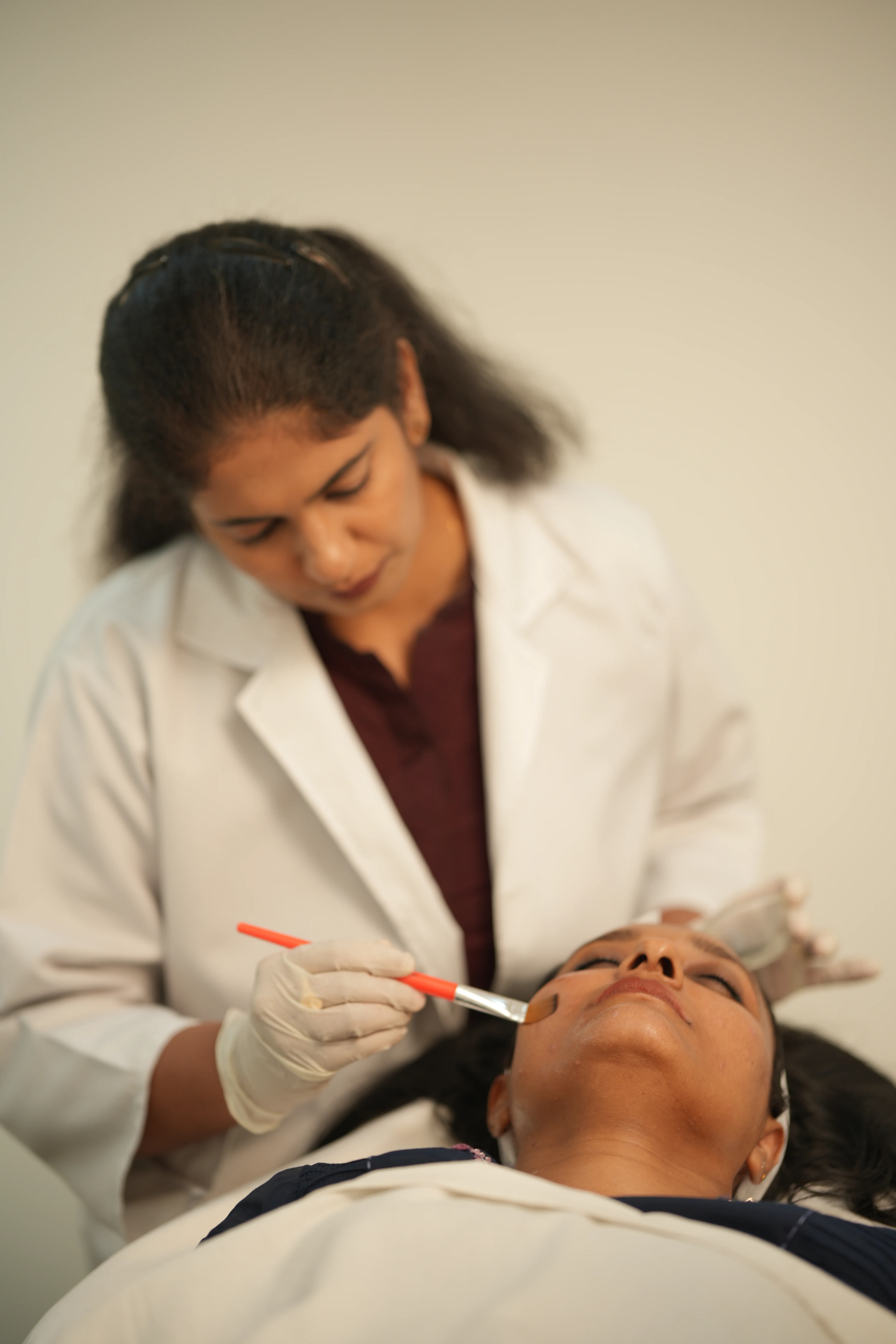
Every week in my clinical practice, I meet patients who have spent months - sometimes years - visiting unqualified practitioners, beauty parlours, or general physicians for skin concerns that required specialist dermatological care from the start. The consequences range from wasted money on ineffective treatments to permanent scarring from procedures performed without proper training. Choosing the right skin clinic is not a matter of convenience; it is a decision that directly affects your skin health, safety, and long-term outcomes.
In India, the dermatology landscape can be confusing. Between standalone beauty clinics, chain salons offering “advanced” facials, general practitioners prescribing topical steroids, and board-certified dermatologists, patients often struggle to identify where genuine expertise lies. As a practising dermatologist, I want to walk you through the clinical and practical factors that should guide this decision - so you can make a choice grounded in evidence rather than marketing.
Understanding What Your Skin Actually Needs
Before selecting any clinic, the first step is understanding the nature of your skin concern. Skin conditions fall broadly into two categories: medical dermatological conditions and aesthetic concerns. Many patients blur this distinction, and that is where problems begin.
Medical dermatological conditions include acne vulgaris, eczema (atopic dermatitis), psoriasis, fungal infections, vitiligo, contact dermatitis, and hair loss disorders such as androgenetic alopecia or alopecia areata. These require diagnosis by a qualified dermatologist, often supported by dermoscopy, skin biopsy, or blood investigations.
Aesthetic concerns include pigmentation (melasma, post-inflammatory hyperpigmentation), fine lines, skin laxity, unwanted hair, and dull skin texture. While these are not medically dangerous, treating them incorrectly - especially on Fitzpatrick skin types IV-VI, which are predominant in South Asia - can cause post-inflammatory hyperpigmentation (PIH), scarring, or worsening of the original condition.
The Indian Association of Dermatologists, Venereologists and Leprologists (IADVL) has repeatedly emphasised that both categories of concerns should ideally be managed under the supervision of a qualified MD/DVD dermatologist, particularly when procedures or prescription medications are involved.
Defining Your Goals Clearly
In my consultation room, I always begin by asking patients three questions:
- What is your primary concern right now?
- How long have you been dealing with this?
- What treatments have you already tried?
These simple questions help me understand not just the clinical picture but also the patient’s expectations. I encourage you to ask yourself these same questions before your first clinic visit. A clinic that takes the time to understand your history and goals before recommending treatments is one that prioritises your wellbeing over revenue.
At DermaVue Clinics, we structure every first consultation around a thorough history-taking and skin assessment. No treatment is recommended until we understand the full clinical picture.
Verifying Clinical Expertise and Credentials
This is perhaps the most critical factor, and unfortunately, the one most patients overlook.
What Qualifications Should Your Dermatologist Have?
In India, the minimum qualification to practise as a dermatologist is an MD in Dermatology, Venereology & Leprosy (DVL) or a Diploma in Venereology & Dermatology (DVD) from a recognised institution. These programmes involve three years of rigorous postgraduate training in skin diseases, hair disorders, nail conditions, sexually transmitted infections, and procedural dermatology.
Look for the following when evaluating a clinic:
- Board certification: The treating doctor should hold an MD DVL or DVD from a Medical Council of India (MCI/NMC) recognised institution.
- IADVL membership: Membership in the Indian Association of Dermatologists, Venereologists and Leprologists indicates ongoing engagement with the specialty.
- Procedural training: For laser treatments, chemical peels, or injectables, verify that the doctor has received specific training in these procedures - not just a weekend workshop.
- Years of clinical experience: While fresh graduates can be excellent clinicians, complex conditions like resistant melasma or scarring alopecia often benefit from more experienced hands.
The Danger of Unqualified Practitioners
The IADVL and Indian Journal of Dermatology, Venereology and Leprology (IJDVL) have published multiple advisories warning against the proliferation of beauty clinics and medispas offering dermatological procedures without qualified dermatologists on staff. Procedures like chemical peels, laser hair removal, and microneedling, when performed by untrained personnel, carry risks including burns, scarring, and paradoxical hyperpigmentation - particularly on Indian skin types.
Evaluating Technology and Treatment Protocols
Modern dermatology relies on evidence-based protocols supported by appropriate technology. When assessing a clinic, consider these factors.
Equipment Standards
A well-equipped dermatology clinic should have:
- US-FDA cleared or CE-marked devices: For laser treatments, the device should have regulatory clearance. Ask specifically - many clinics use unbranded or copied devices that lack safety features.
- Appropriate laser wavelengths for Indian skin: The 1064nm Nd:YAG laser is considered safest for Fitzpatrick types IV-VI. Clinics using only 755nm Alexandrite or IPL devices for darker skin types may not be following current safety guidelines per IADVL consensus on laser use in Indian skin.
- Dermoscopy: A basic diagnostic tool that every dermatology clinic should possess for evaluating pigmented lesions, hair disorders, and nail conditions.
- Standardised photography: Before-and-after documentation using consistent lighting and positioning indicates a clinic that tracks outcomes objectively.
Treatment Protocols
Evidence-based dermatology follows established protocols. Be cautious of clinics that:
- Recommend treatments without a proper diagnosis
- Promise “guaranteed results” or use words like “permanent cure” (this also violates Indian Medical Council guidelines)
- Push expensive package deals before even completing a consultation
- Fail to discuss potential side effects or downtime
At DermaVue, every treatment protocol is designed based on current IADVL guidelines and peer-reviewed evidence. We use US-FDA cleared devices with parameters specifically calibrated for South Asian skin types.
Safety Standards: Non-Negotiable Requirements
Patient safety in a dermatology clinic extends beyond the doctor’s qualifications. The physical infrastructure and infection control practices are equally important.
What to Look For
- Single-use consumables: Needles, microneedling cartridges, and laser tips that contact the skin should be disposable and opened in front of you.
- Sterilisation protocols: Ask about their autoclave schedule and surface disinfection practices.
- Emergency preparedness: For laser and injectable procedures, the clinic should have protocols for managing allergic reactions, burns, or vascular complications. A crash cart or emergency medication kit should be accessible.
- Informed consent: A reputable clinic will have you sign a detailed consent form that explains the procedure, expected outcomes, potential risks, and aftercare requirements.
- Clean, well-maintained environment: This seems obvious, but it matters. A clinic that invests in hygiene and maintenance signals a commitment to professional standards.
Regulatory Compliance
In India, clinics performing laser procedures should comply with the Atomic Energy Regulatory Board (AERB) guidelines for laser safety. Those offering cosmetic procedures should ideally be registered under the Clinical Establishments Act where applicable.
The Importance of Patient Reviews - With Caveats
Patient testimonials can provide useful insights, but they should be evaluated critically.
What Reliable Reviews Tell You
- Consistency in positive experiences across multiple platforms (Google, Practo, Justdial)
- Specific mentions of doctor attentiveness, follow-up care, and honest communication
- Comments about the clinic environment and staff behaviour
- Realistic descriptions of outcomes rather than dramatic “transformation” claims
What to Be Wary Of
- Reviews that sound scripted or marketing-driven
- Clinics with exclusively 5-star reviews and no constructive feedback (this is statistically unlikely)
- Before-and-after photos without standardised lighting, positioning, or timeframes
- Any clinic that guarantees outcomes in writing (this contravenes the Indian Medical Council [Professional Conduct, Etiquette and Ethics] Regulations, 2002)
At DermaVue, our reputation is built on transparent patient communication. We discuss realistic timelines and outcomes during the initial consultation itself, and our patient reviews reflect this approach.
The Consultation Experience: A Litmus Test
The quality of your first consultation reveals a great deal about the clinic’s philosophy. In my experience, a good dermatological consultation should include:
- Detailed history taking: Duration of the condition, aggravating and relieving factors, previous treatments, family history, and medication history.
- Thorough examination: Physical examination of the affected area, ideally with dermoscopy for pigmented or hair-related concerns.
- Clear explanation: The doctor should explain the likely diagnosis, the rationale behind the recommended treatment, expected timeline for improvement, and potential side effects.
- Written treatment plan: Including medications, procedures scheduled, follow-up intervals, and homecare instructions.
- Space for questions: You should never feel rushed or dismissed. A consultation is a two-way conversation.
If a clinic recommends expensive procedures within the first five minutes without completing a proper assessment, consider that a warning sign.
Special Considerations for South Asian Skin
Patients with Fitzpatrick skin types IV-VI (the majority of the Indian population) have specific considerations that not every clinic addresses adequately:
- Higher risk of post-inflammatory hyperpigmentation (PIH): Aggressive chemical peels, inappropriate laser parameters, or harsh topicals can worsen pigmentation rather than improve it.
- Melasma complexity: Melasma in Indian skin is often mixed-type (epidermal and dermal) and requires a cautious, long-term treatment approach. Quick-fix claims should raise immediate suspicion.
- Keloid tendency: Some individuals are prone to keloid or hypertrophic scarring, which must be assessed before any procedural intervention.
- Cultural factors: Many Indian patients use fairness creams or topical steroids purchased over the counter, which can complicate treatment. A good clinic will ask about these specifically.
The IJDVL has published extensive guidelines on managing pigmentary disorders in Indian skin, and any clinic treating these conditions should be familiar with these protocols.
Why DermaVue Approaches Skin Care Differently
At DermaVue Clinics, we believe that effective dermatological care rests on three pillars: accurate diagnosis, evidence-based treatment, and ongoing patient support. Our approach is built on these principles:
- Physician-led care: Every patient is seen by a board-certified dermatologist (MD DVL). Procedures are performed by or under the direct supervision of qualified specialists.
- Protocol-driven treatments: We follow IADVL and AAD (American Academy of Dermatology) guidelines for all treatment protocols, with parameters specifically optimised for Indian skin types.
- US-FDA cleared technology: Our laser and energy-based devices carry appropriate regulatory clearances and are maintained to manufacturer specifications.
- Comprehensive follow-up: Treatment does not end when you leave the clinic. We schedule follow-up consultations to track progress, adjust treatment plans, and address any concerns.
- Multi-location accessibility: With clinics across Kerala and Coimbatore, we provide consistent quality of care regardless of location.
Related DermaVue Services
Frequently Asked Questions
1. How do I verify if a dermatologist is genuinely qualified?
You can verify a doctor’s registration on the National Medical Commission (NMC) website or the respective State Medical Council registry. Look for an MD DVL or DVD qualification. IADVL membership is an additional indicator of specialisation in dermatology. Do not hesitate to ask the clinic directly about their doctor’s qualifications.
2. Is it safe to get laser treatments at a beauty salon or medispa?
Laser treatments should ideally be performed by or under the supervision of a qualified dermatologist. Beauty salons and medispas often use IPL (Intense Pulsed Light) devices rather than true lasers, and untrained operators can cause burns, scarring, or pigmentation changes - especially on darker Indian skin types. The IADVL recommends that laser procedures be performed only by trained dermatologists.
3. How many sessions does a typical skin treatment require?
This varies significantly depending on the condition and treatment modality. For example, laser hair removal typically requires 6-8 sessions spaced 4-6 weeks apart. Chemical peels for pigmentation may require 4-6 sessions. Acne treatment timelines depend on severity - mild acne may respond in 6-8 weeks, while severe nodulocystic acne can take 4-6 months with isotretinoin therapy. A good clinic will provide a realistic treatment timeline during your initial consultation.
4. What should I do if a treatment causes an adverse reaction?
Contact your treating dermatologist immediately. A reputable clinic will have protocols for managing complications and will provide accessible follow-up care. This is one reason why choosing a clinic with qualified dermatologists is critical - they are trained to manage adverse events. Avoid self-treating with over-the-counter products, as this can worsen the reaction.
5. Are expensive treatments always better than affordable ones?
Not necessarily. Treatment cost should reflect the quality of equipment, the expertise of the treating doctor, and the safety standards of the clinic - not marketing spend. However, significantly below-market pricing can indicate the use of substandard equipment, diluted products, or unqualified staff. The focus should be on value: are you receiving evidence-based care from a qualified dermatologist in a safe clinical environment?
Conclusion
Choosing the right skin clinic is fundamentally about entrusting your skin to qualified professionals who practise evidence-based medicine in a safe clinical environment. It requires looking beyond glossy interiors and social media presence to evaluate the clinical substance beneath.
In my years of practice, I have seen that patients who invest time in selecting the right clinic - one that prioritises diagnosis over sales, safety over speed, and honest communication over unrealistic promises - consistently achieve better outcomes and a more positive treatment experience.
Your skin is the largest organ of your body. It deserves care that is informed, measured, and delivered by those trained to provide it. Take the time to choose wisely, ask questions without hesitation, and expect nothing less than the standard of care you deserve.
If you are looking for a consultation with a board-certified dermatologist, book an appointment at DermaVue today and take the first step toward informed, evidence-based skin care.
Dr. Minu Liz Mathew is a board-certified dermatologist at DermaVue Clinics, specialising in clinical dermatology, pigmentary disorders, and procedural dermatology for Indian skin types.