What exercise plan works best with GLP-1 for Indians? The most effective plan combines resistance training three times a week to preserve muscle, two short cardio sessions for cardiovascular fitness, and high daily NEAT through walking. On GLP-1 therapy, muscle loss is the main risk, so progressive lifting and a 1.2 to 1.6 g/kg protein intake protect lean mass while body fat falls. Generic step counts alone are not enough.
The DermaVue Clinics medical team prescribes exercise as a clinical input on par with medication and nutrition. The protocol prioritises resistance training three times per week using major compound movements, cardiovascular conditioning, and high non-exercise activity thermogenesis through daily walking and NEAT. For patients on GLP-1 therapy, the goal is to limit lean mass loss to under 25 percent of total weight lost. Across 7 physician-led DermaVue centres in Kerala and Tamil Nadu, the team has supported a patient base reflected in 7,200 plus reviews with a 4.8 average star rating.
The Hard Truth About Weight Loss Exercise
Exercise matters. But not in the way most people think. Here's what the research actually shows about the role of exercise in weight loss.
| Factor | Contribution to Weight Loss |
|---|---|
| Diet / Nutrition | 70-80% |
| Exercise | 10-20% |
| Sleep & Stress | 5-10% |
| Genetics / Hormones | Variable |
What Exercise DOES Do
- Preserves lean muscle mass during weight loss
- Improves insulin sensitivity and glucose uptake
- Reduces visceral (belly) fat preferentially
- Boosts mood, reduces anxiety and depression
- Improves sleep quality and duration
- Increases resting metabolic rate over time
What Exercise DOESN'T Do
- Can't out-exercise a bad diet
- Can't spot-reduce belly fat with crunches
- Won't fix hormonal imbalances alone
- Doesn't target visceral fat without GLP-1 support
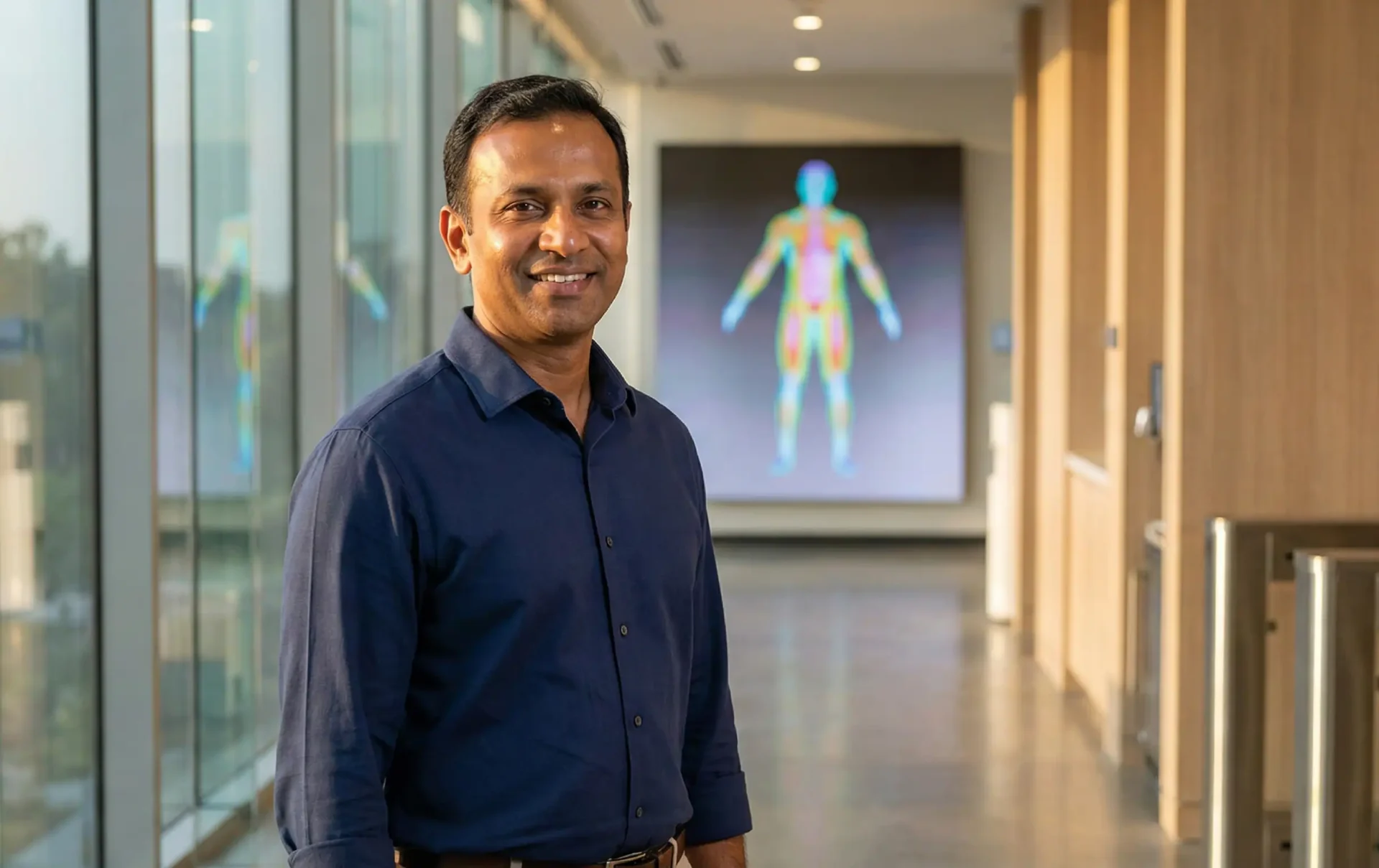
Progressive lifting protects muscle while body fat falls.
Post-meal walks cut glucose spikes by up to 30%.
Avoid the 11 AM to 4 PM heat block outdoors.
The Muscle Loss Problem on GLP-1
GLP-1 medications are powerful weight loss tools. But without resistance training, a significant portion of that weight loss comes from muscle, not fat.
Resistance Training: The Cornerstone
Minimum 3 sessions per week focusing on compound movements. Progressive overload is more important than intensity.
Beginner 4-Week Program
| Day | Exercises | Sets × Reps |
|---|---|---|
| Monday | Squats, Push-ups, Dumbbell Rows | 3 × 12 |
| Wednesday | Lunges, Shoulder Press, Plank (30s holds) | 3 × 12 |
| Friday | Deadlifts, Chest Press, Lat Pulldown | 3 × 10 |
Exercises to Reduce Belly Fat
Spot reduction is a myth. Crunches alone won't flatten your stomach. The six movements below combine compound strength and high intensity intervals, the only training pair with consistent visceral fat data. All are home-feasible with a single pair of dumbbells or none at all.
| Exercise | Sets | Reps | Rest | Muscle Group | Why It Targets Visceral Fat |
|---|---|---|---|---|---|
| Goblet Squat | 4 | 10 to 12 | 90 sec | Quads, glutes, core | Largest muscle recruitment per rep. Drives EPOC and post-workout fat oxidation. |
| Romanian Deadlift | 4 | 8 to 10 | 90 sec | Hamstrings, glutes, low back | High systemic load improves insulin sensitivity. Direct hit on visceral fat metabolism. |
| Push-up (or knee push-up) | 3 | 10 to 15 | 60 sec | Chest, shoulders, core | Compound upper body work raises total daily energy expenditure and preserves lean mass. |
| Dumbbell Row | 3 | 10 each side | 60 sec | Lats, mid-back, biceps | Builds the largest upper body muscles. More muscle equals higher resting glucose disposal. |
| Stationary Bike or Brisk Walk Intervals (HIIT) | 1 | 8 rounds: 30 sec hard / 60 sec easy | Built in | Whole body cardio | Meta-analyses show HIIT reduces visceral fat measurably more than steady cardio. |
| Plank | 3 | 30 to 45 sec | 45 sec | Deep core, transverse abdominis | Builds the inner corset that supports the spine and visually tightens the waist as visceral fat falls. |
What Works for Belly Fat
- Compound movements: squats, deadlifts, lunges (burn more calories, build more muscle)
- HIIT intervals: 20-30 minutes, 2-3 times per week
- Post-meal walking: 15-20 minutes after meals
- GLP-1 therapy combined with resistance training
- Consistent daily movement (NEAT) of 7,000-10,000 steps
What Doesn't Work
- 100 crunches a day (strengthens abs, doesn't burn belly fat)
- Spot-reduction belts and wraps
- Hours of steady-state cardio without strength training
- "Fat-burning zone" myth (low intensity = low results)
Your Weekly Exercise Plan
A physician-designed 7-day cycle: 3 resistance training days, 2 cardio days, 1 active recovery, 1 full rest. Each day builds on the last for progressive results.
Full-Body Strength A
- Goblet Squats. 3 × 12
- Push-ups (or Wall Push-ups). 3 × 10
- Dumbbell Rows. 3 × 12 each arm
- Glute Bridges. 3 × 15
- Plank Hold. 3 × 30 sec
Moderate Cardio + Walking
- Brisk walk or cycling. 30-40 min
- Post-lunch walk. 15 min
- Light stretching. 10 min
Full-Body Strength B
- Lunges. 3 × 10 each leg
- Dumbbell Shoulder Press. 3 × 12
- Lat Pulldown / Band Pulldown. 3 × 12
- Step-ups. 3 × 10 each leg
- Dead Bug. 3 × 10 each side
HIIT + Post-Meal Walk
- HIIT intervals. 20 min (30s on / 60s off)
- Cool-down walk. 10 min
- Post-dinner walk. 15 min
Full-Body Strength C
- Romanian Deadlifts. 3 × 10
- Chest Press / Floor Press. 3 × 12
- Seated Cable Row / Band Row. 3 × 12
- Calf Raises. 3 × 15
- Side Plank. 3 × 20 sec each
Active Recovery
- Yoga or gentle stretching. 30 min
- Leisurely walk. 30 min
- Foam rolling or self-massage
Full Rest Day
- Complete rest from structured exercise
- Maintain 7,000+ steps through daily activity
- Prioritize 7-9 hours of sleep
Walking for Weight Loss: The Indian Evidence
Walking is the most underrated exercise for weight loss. Here's why 7,000-10,000 steps matters. Especially on GLP-1 therapy and for Indian patients.
10,000 Steps / Day
Research shows 10,000 daily steps significantly reduces all-cause mortality and metabolic risk. It burns 300 to 500 extra calories without stressing the body or triggering compensatory hunger.
NEAT Matters More Than Gym
Non-Exercise Activity Thermogenesis (NEAT). Fidgeting, standing, household work, walking between rooms. Accounts for up to 15% of daily calorie burn. Small movements throughout the day add up significantly.
Kerala Context: Beat the Heat
Schedule morning walks between 6 to 8 AM before the heat peaks. Evening walks after 5:30 PM are also effective. Avoid midday exercise in tropical climates to prevent dehydration.
Post-Meal Walking
A 15-20 minute walk after your largest meal reduces post-prandial blood sugar spikes by up to 30%. This is especially beneficial for patients with insulin resistance or prediabetes.
Exercise and Cardio: How Much Is Too Much?
These common exercise errors can undermine your weight loss results. Or worse, put your health at risk while on GLP-1 therapy.
Excessive Cardio Without Protein
Hours of cardio without adequate protein intake accelerates muscle loss. On GLP-1 therapy, this means you lose weight on the scale but your body composition worsens. Always pair cardio with 1.2 to 1.6 g/kg protein daily.
Fasting + GLP-1 + Intense Exercise
Combining intermittent fasting with GLP-1 medication and intense exercise creates a dangerous risk of hypoglycemia. Always eat protein 1 to 2 hours before intense sessions. Never exercise fasted on GLP-1.
Skipping Strength Training
Relying only on cardio and diet leads to poor body composition despite weight loss. The "skinny fat" outcome. Resistance training at least 3×/week is non-negotiable on GLP-1 therapy.
Exercise Modifications for Medical Conditions
One-size-fits-all exercise plans don't work. Here's how we customize movement prescriptions based on lifestyle and health profile at DermaVue clinics.
Sedentary IT Professional
- Home workouts with minimal equipment
- Standing desk or desk converter recommended
- 5-minute walk breaks every 60 minutes
- Resistance bands under the desk for leg exercises
- Walking meetings whenever possible
Homemaker
- Kitchen counter push-ups and squats
- Resistance bands for upper body strength
- Household activities count: mopping, gardening
- Stair climbing as built-in cardio
- Morning yoga + evening resistance training
Post-Menopausal Woman
- Low-impact strength training for bone density
- Balance exercises to prevent falls
- Weight-bearing exercises for osteoporosis prevention
- Swimming or water aerobics for joint-friendly cardio
- Vitamin D + calcium alongside exercise
PCOS Patient
- Moderate intensity (avoid cortisol spikes)
- Avoid extreme HIIT. Can worsen hormonal imbalance
- Yoga + strength training combination
- Focus on insulin sensitivity improvement
- Consistent daily movement over sporadic intense sessions
Sleep and Recovery: The Hidden Factor
Your muscles don't grow during exercise. They grow during recovery. Sleep is when the real transformation happens.
7 to 9 Hours Sleep
Sleep deprivation increases ghrelin (hunger hormone) by 28% and decreases leptin (satiety hormone) by 18%. Poor sleep directly sabotages weight loss efforts, even with perfect diet and exercise.
Cortisol & Belly Fat
Chronic stress elevates cortisol, which preferentially deposits fat in the abdominal area. Sleep and recovery days lower cortisol, making visceral fat loss more effective on GLP-1 therapy.
Recovery Between Workouts
Allow 48 hours between resistance training sessions for the same muscle group. Active recovery (walking, light stretching) on rest days supports blood flow and repair without taxing the body.
The DermaVue Exercise Protocol
Our physician-supervised exercise program is integrated into the SuperHuman medical weight loss system. Here's what's included.
-
Body Composition Assessment
DEXA-level body fat, muscle mass, and visceral fat measurement to set personalized baselines
-
Custom Resistance Protocol
Tailored strength training program based on your fitness level, medical conditions, and goals
-
GLP-1 Dosage Coordination
Exercise timing and intensity calibrated to your medication schedule for optimal results
-
Monthly Progress Tracking
Grip strength, body composition, and metabolic markers monitored at every clinic visit
-
Integrated Nutrition Planning
Exercise paired with our Indian diet plan for protein timing and recovery nutrition
-
WhatsApp Support
Direct access to your care team for exercise questions, form checks, and motivation
Training Around Your GLP-1 Injection Day
Most patients on semaglutide or tirzepatide notice that the day of injection and the 24 to 36 hours after are the worst window for nausea. Schedule your training around it instead of fighting through it.
The simple rule we use in clinic is this. Heavy resistance training, the kind that demands focus and intensity, sits on day three or four after your injection, when nausea is lowest and energy is highest. Light zone two cardio (easy walking, gentle cycling) sits on injection day itself and the day after, because it does not require much fuel and it actually helps gastric motility. Mid-week we drop in one HIIT session on a non-injection day when the gut is settled.
Three practical points carry most of the value. First, eat a protein-anchored meal 90 to 120 minutes before any heavy session. Smaller meals tolerate better on GLP-1 than full plates. Second, hydrate aggressively. GLP-1 blunts thirst signalling, and dehydration is the number one driver of training day nausea. Aim for 2.5 to 3 litres on training days, more if you train outdoors in Kerala or Coimbatore heat. If gut symptoms are persistent or interfering with training, your physician can layer in oral rehydration therapy and a physician-guided anti-emetic step-up protocol. Third, accept that strength may dip slightly during the first four weeks of dose escalation. The drop is real, it is short-lived, and it returns once your body adapts to the medication.
Objective Fitness Targets: VO2max and Grip Strength
Two numbers predict long term metabolic health better than scale weight. VO2max and grip strength.
VO2max is the maximum volume of oxygen your body can use per minute during peak effort. It is the single best laboratory marker of cardiorespiratory fitness, and it tracks closely with all-cause mortality and cardiovascular outcomes. A male patient in his forties with a VO2max above 35 ml/kg/min sits in a much lower mortality bracket than the same patient at 25. You do not need a metabolic cart to track it. Sub-maximal cycle ergometer testing or a six minute walk test in clinic gives a usable estimate, and a simple smartwatch with a chest strap is good enough for at-home tracking. The training lever is intervals. Two HIIT sessions per week move the number reliably over 8 to 12 weeks.
Grip strength is the cheapest, most underused fitness marker in medicine. A handheld dynamometer gives a number in 10 seconds. For Indian adults, a male grip below 26 kg or a female grip below 16 kg flags sarcopenia and predicts higher fracture risk and worse surgical outcomes. We test grip at every monthly visit during GLP-1 therapy. If the number drops, it is an early signal that lean mass is being lost, and we adjust protein intake and resistance training before the body composition scan confirms it. The training lever for grip is heavy compound work with the hands loaded. Dumbbell rows, deadlifts, and farmer carries.
Training in Kerala Heat and Coimbatore Climate
Kerala. Humid Coastal Training
Coastal Kerala (Thiruvananthapuram, Kollam, Kochi, Thrissur) sits in a humid tropical band where dew points are high through most of the year. The training problem is not heat alone. It is humidity. Sweat does not evaporate efficiently, so the body cannot cool itself, and core temperature rises faster than expected. The practical fix is to train inside the morning window (before 8 AM) or the evening window (after 6 PM), when ambient temperature drops. Avoid the 11 AM to 4 PM block for outdoor training. Indoor air-conditioned gyms or home setups work all day. Watch electrolytes. High humidity sweating depletes sodium fast, and on GLP-1 therapy where appetite is already down, salt intake can fall below replacement. A pinch of salt in your water bottle on long sessions is reasonable.
Coimbatore. Semi-Arid Climate
Coimbatore sits behind the Western Ghats in a semi-arid rain shadow. Daytime temperatures climb high in summer but humidity stays much lower than coastal Kerala. The cooling problem flips. Sweat evaporates fast, which feels deceptively comfortable, and patients often underestimate how much fluid they have lost. Hydration is the central focus. Drink to a schedule, not to thirst. Plan for 500 to 750 ml per hour during outdoor training in peak summer. Heat acclimatisation takes 7 to 10 days at the start of the hot season. Begin with shorter outdoor sessions, rotate one indoor session in, and let core temperature regulation adapt before pushing intensity. Sun exposure is the second factor. Train early or late, not midday, and use a hat.
Generic GLP-1 Update. March 2026
Generic semaglutide entered the Indian market in March 2026. Branded Ozempic at 0.5 mg weekly previously ran around Rs 8,100 per month. Indian generics from Natco, Alkem, and Dr. Reddy's now sit between Rs 1,290 and Rs 4,200 at the same dose. The molecule and safety profile are identical. Physician supervision is still required because GLP-1 therapy carries real contraindications. Cheaper does not mean safer to self-prescribe.
Reviewed by Dr. Rejeesh Menon, MD · Last updated 5 April 2026
FAQ: Exercise for Weight Loss
Reviewed by Dr. Rejeesh Menon, MDGetting Started
Do I need a gym membership for the exercise plan?
No. Bodyweight exercises and resistance bands are effective for muscle preservation. We provide home workout options tailored to your space and equipment. A gym helps for progressive overload but is not required.
How soon after starting GLP-1 can I exercise?
Start immediately with walking. Add resistance training in week 2 to 3 as your body adjusts to the medication. Start light and increase gradually over 4 to 6 weeks.
What if I'm too tired to exercise on GLP-1?
Fatigue is common in the first 2 to 4 weeks of GLP-1 therapy. Start with 10-minute walks and build up. Ensure adequate protein intake and hydration. Energy typically improves as your body adjusts to the medication.
Method & Mythbusting
Is yoga enough for weight loss on GLP-1?
Yoga is excellent for flexibility, stress reduction, and mental health, but insufficient for muscle preservation during GLP-1 therapy. Combine yoga with resistance training at least 3 times per week for optimal body composition.
Can I do intense HIIT workouts on GLP-1 medication?
Moderate HIIT is fine, but avoid extreme fasted HIIT on GLP-1 due to hypoglycemia risk. Always eat protein 1 to 2 hours before intense sessions. Never exercise fasted while on GLP-1 medication.
How much cardio vs strength training should I do?
Prioritize strength training (3 times per week) over cardio. Add 150 minutes per week of moderate cardio like walking or cycling. The ratio should favor muscle preservation over calorie burning.
Can crunches reduce belly fat?
No. Spot reduction is a myth. Crunches strengthen abdominal muscles but do not preferentially burn belly fat. Compound movements like squats, deadlifts, and HIIT combined with GLP-1 therapy are far more effective at reducing visceral belly fat.
How many steps should I walk daily for weight loss?
Research shows 7,000 to 10,000 daily steps significantly reduce all-cause mortality and metabolic risk. Post-meal walking of 15 to 20 minutes after your largest meal can reduce blood sugar spikes by up to 30%. In Kerala, schedule walks during cooler morning (6 to 8 AM) or evening (after 5:30 PM) hours.