EV
01 / 04 Hair Loss Treatment
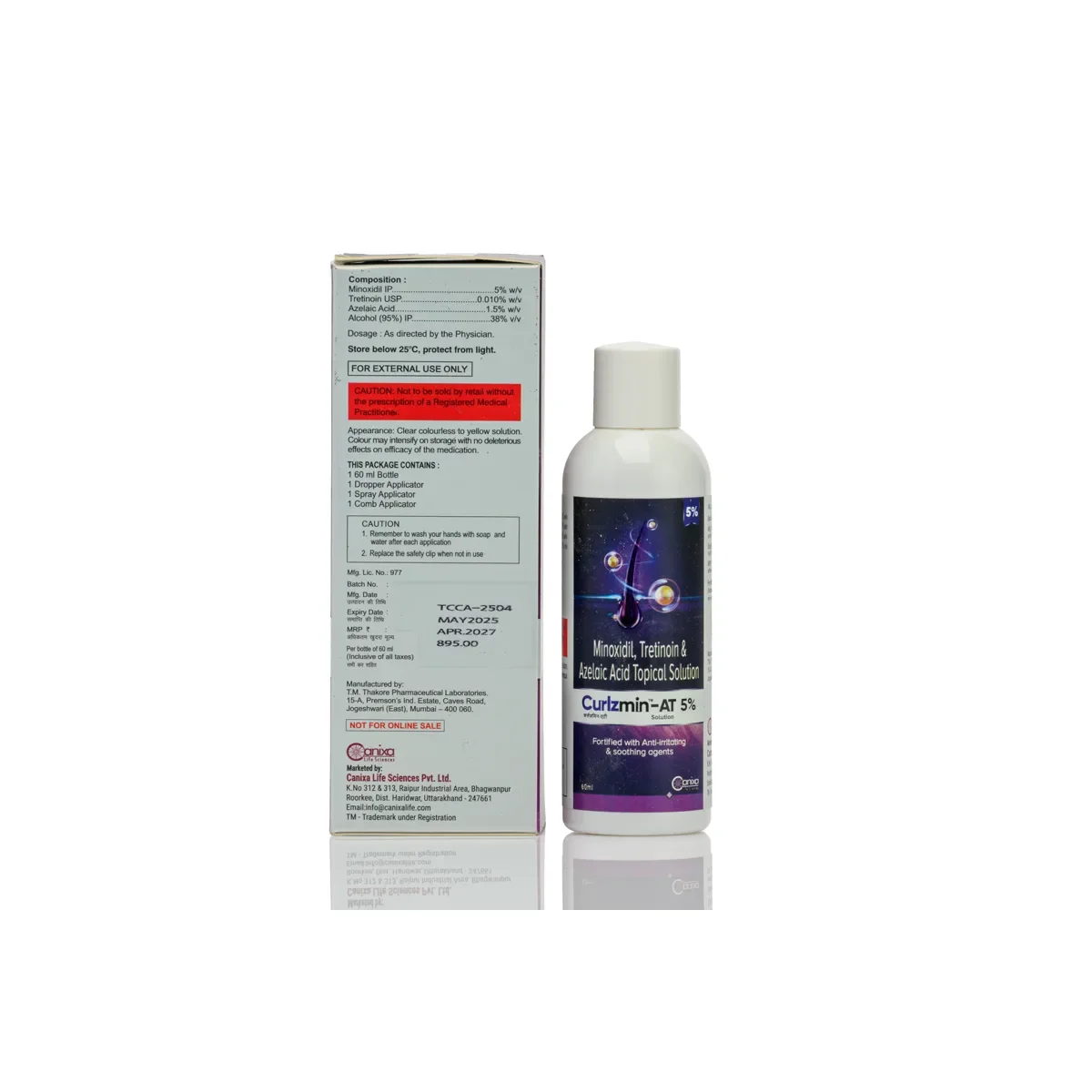
Curlzmin-AT 5% Minoxidil Tretinoin Azelaic Acid Solution
CANIXA
60ML
Clinical Efficacy Markers
- Minoxidil 5%
- Tretinoin 0.015%
- Azelaic Acid 2%
The Science of Hair Loss Treatment
Curatio Curlzmin-AT 5% Minoxidil Tretinoin Azelaic Acid Solution (60ml) — Prescription required. Consult a DermaVue dermatologist.
Drug Facts
Minoxidil IP 5% w/v, Tretinoin I.P. 0.015% w/v, Azelaic Acid IP 2% w/v, Alcohol (95%) IP 30% w/v, Base q.s.
⚑ Contains photosensitising ingredient(s) — pair with SPF 50+.
⚑ Not recommended during pregnancy / lactation — consult your dermatologist.
INGREDIENT · RETINOID - NATURAL VITAMIN A DERIVATIVE
Tretinoin
also known as All-trans retinoic acid, Retinoic acid
Function
Photoaging reversal, melasma treatment, acne management, skin renewal and collagen restoration
How it works
Tretinoin binds to retinoic acid receptors (RAR-alpha, RAR-beta, RAR-gamma) in the nucleus, modulating gene transcription and cellular differentiation. Research indicates it may increase collagen synthesis, enhance dermal thickening, and normalize keratinization patterns. Studies suggest tretinoin promotes cellular turnover through increased cell proliferation and differentiation, thereby reducing photodamage and pigmentary irregularities.
⚑ For Indian skin (Fitzpatrick IV–VI)
Tretinoin requires cautious use in Fitzpatrick IV-VI skin due to heightened risk of post-inflammatory hyperpigmentation (PIH), particularly in individuals with Indian/South Asian phenotypes. Studies indicate that darker skin types may experience transient or persistent PIH following tretinoin-induced irritation, necessitating lower starting concentrations (0.025%), extended titration schedules (8-12 weeks), and consideration of triple-combination formulations with hydroquinone and corticosteroids. Kerala's tropical climate with high UV radiation exposure increases photosensitivity risk; patients require strict, daily broad-spectrum SPF 50+ sunscreen (physical or hybrid), protective clothing, and avoidance of midday sun exposure. Combination use with other depigmenting agents (hydroquinone, kojic acid) may optimize melasma outcomes while potentially mitigating irritation-related hyperpigmentation in darker skin types.
Effective concentration
0.025–0.1 % w/w (optimal ~0.05% w/w)
Clinical evidence
Triple combination therapy containing tretinoin 0.05%, hydroquinone 4%, and fluocinolone acetonide 0.01% demonstrated clinical improvement in melasma severity and may correlate with enhanced quality-of-life outcomes. Studies suggest this combination approach may be particularly relevant for people of color, for whom melasma causes significant psychosocial distress and for whom quality-of-life assessment remains understudied.
Not specified in abstract Clinical, Cosmetic and Investigational Dermatology. 2026. PubMed →
Research indicates topical tretinoin and tretinoin precursors may diminish photoaging and contribute to thickening and restoration of skin collagen. Evidence suggests retinoids have diverse indications beyond traditional keratinization disorders, including treatment of acne, melasma, and other pigmentary and dermatological conditions.
Not specified in abstract Clinics in Dermatology. 2026. PubMed →
Topical tretinoin cream, when combined with intravenous methylprednisolone and topical corticosteroids, may support rapid improvement of bullous pemphigoid lesions while also benefiting concurrent disseminated superficial porokeratosis plaques. Studies suggest tretinoin may play an adjunctive role in managing complex dermatological presentations characterized by abnormal keratinization and inflammatory responses.
Not specified in abstract The Australasian Journal of Dermatology. 2026. PubMed →
Evidence indicates tretinoin, when formulated with minoxidil, phytantriol, and vitamin E, may support management of eyebrow hair density reduction occurring as an adverse effect of repeated laser tattoo removal treatments. Research suggests this combination may help support hair follicle health during post-laser recovery periods.
Not specified in abstract Cureus. 2026. PubMed →
Pairs well with
Hydroquinone · Fluocinolone acetonide · Niacinamide · Hyaluronic acid · Azelaic acid · Vitamin E
Avoid combining with
Benzoyl peroxide (may reduce tretinoin efficacy) · Vitamin C (L-ascorbic acid at high pH may cause instability) · Topical antibiotics (may compete for skin penetration) · AHAs and BHAs (excessive irritation risk in tretinoin-naive patients) · Isotretinoin (contraindicated - systemic retinoid)
INGREDIENT · DICARBOXYLIC ACID
Azelaic Acid
Function
May help support skin brightening, anti-inflammatory, and antimicrobial effects
How it works
Azelaic acid has been shown to modulate melanin synthesis through potential PPAR-γ pathway activation and may suppress pro-inflammatory cytokines (TNF-α, IL-8, PGE-2). Research indicates the ingredient may exert antimicrobial effects against acne-associated bacteria and may help reduce inflammatory responses in hyperpigmented skin conditions. Studies suggest azelaic acid's dicarboxylic structure enables multiple bioactive sites for cellular interaction, though transdermal bioavailability has historically been limited by poor water solubility.
⚑ For Indian skin (Fitzpatrick IV–VI)
Azelaic acid may help support management of melasma and post-inflammatory hyperpigmentation (PIH), which are particularly prevalent in Fitzpatrick IV-VI skin types including Indian populations. Research suggests the ingredient's anti-melanogenic mechanisms may be beneficial for addressing hyperpigmentation disorders common in darker skin phenotypes, though individual variability in response exists. In Kerala's tropical climate with high UV exposure, azelaic acid use should be combined with strict broad-spectrum photoprotection (SPF 50+) to mitigate photosensitivity risks and prevent exacerbation of melasma. Studies indicate formulations with enhanced solubility (such as cocrystal or deep eutectic systems) may reduce skin irritation in individuals with sensitive or reactive darker skin types, making them potentially preferable for extended use in this population.
Effective concentration
15–20 % w/w (optimal ~15% w/w)
Clinical evidence
Research indicates that azelaic acid formulated as therapeutic deep eutectic systems with D-panthenol demonstrated significantly improved water solubility and transdermal permeability compared to raw azelaic acid material. Studies showed the optimized formulation (1:2 molar ratio) displayed reduced skin irritation, improved antimicrobial and anti-inflammatory efficacy, and enhanced bioactivity, suggesting advanced delivery technologies may improve clinical utility in dermatological applications.
RSC Advances Contributors RSC Advances. 2026. PubMed →
Research demonstrates that azelaic acid-nicotinamide cocrystal architecture achieved a 9.6-fold enhancement in aqueous solubility and enhanced PPAR-γ binding capacity. Studies indicate this supramolecular formulation may suppress pro-inflammatory cytokines (TNF-α, IL-8, PGE-2) and reduce melanin levels in vitro, with clinical validation suggesting 3% essence concentrations supported significant skin brightening effects in human subjects.
Journal of Materials Chemistry B Contributors Journal of Materials Chemistry B. 2026. PubMed →
Research indicates that azelaic acid in combination with natural botanical extracts showed anti-melanogenic potential in emulsion formulations. Studies suggest such combination approaches may offer sustained efficacy for addressing skin hyperpigmentation concerns with potentially enhanced tolerability profiles.
Current Pharmaceutical Design Contributors Current Pharmaceutical Design. 2026. PubMed →
Pairs well with
Niacinamide · D-Panthenol · Glycerin · Sodium Hyaluronate · Vitamin E · Allantoin
Avoid combining with
Benzoyl Peroxide (may increase irritation) · Retinoids (simultaneous high-potency use may cause cumulative irritation)
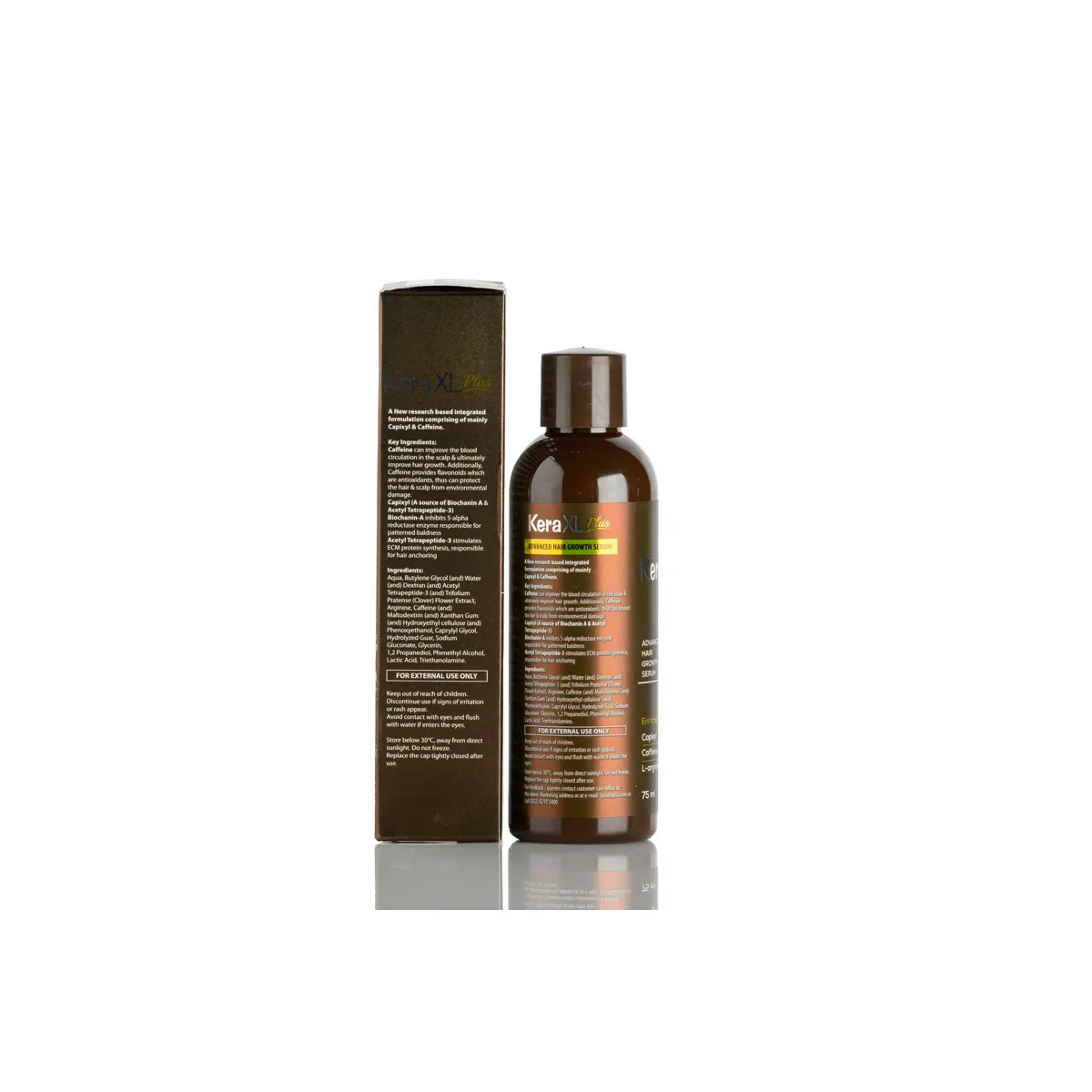
Also Curated by DermaVue Dermatologists
EV
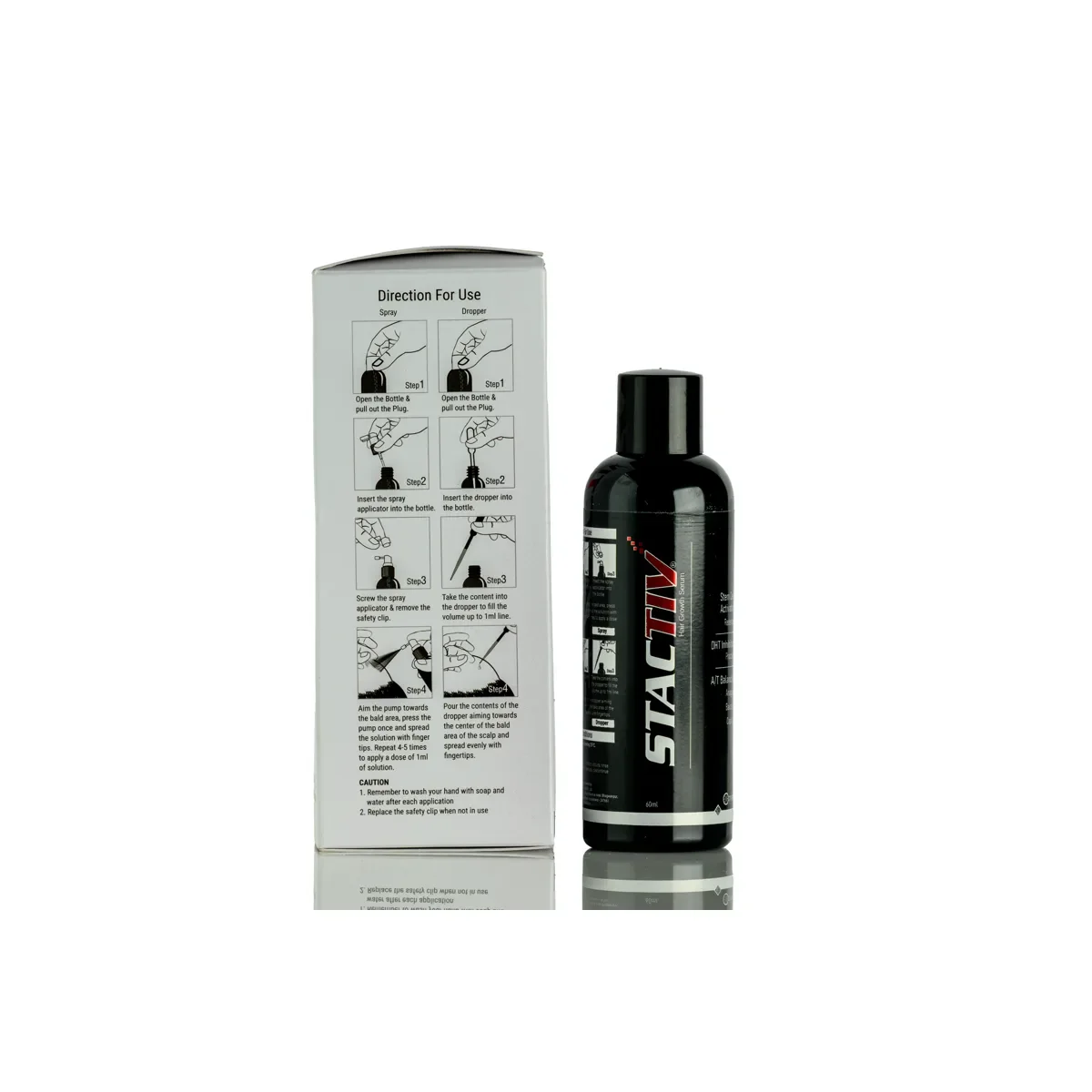
EV STACTIV HAIR GROWTH SERUM 60ML
STACTIV
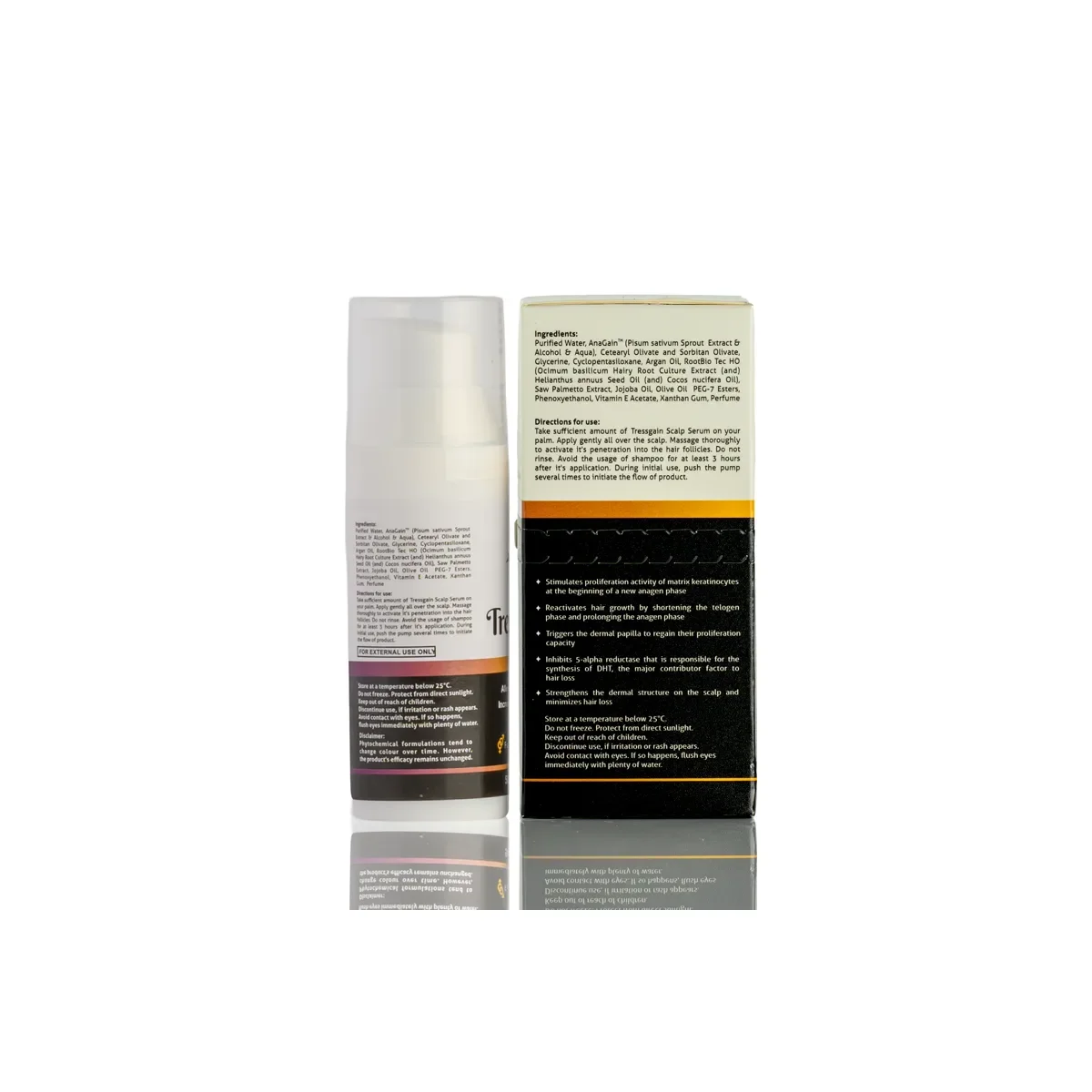
EV TRESSGAIN SERUM
TRESSGAIN
EV