Quick answer: Alopecia areata is an autoimmune condition where the immune system attacks hair follicles, causing sudden patchy hair loss. The follicles are not permanently destroyed, which means regrowth is possible with the right treatment. First-line treatment in India is intralesional corticosteroid injections administered by a dermatologist. Newer options including JAK inhibitors are available for severe cases. A clinical assessment is needed to confirm the diagnosis and choose the right approach.
Patients describe it in very similar ways: they noticed a small circular bald patch while combing their hair, or a family member pointed it out. Sometimes the patch appeared within days. There was no pain, no itching, no obvious explanation. And the uncertainty of not knowing whether it will spread, whether it will grow back, and whether anything can be done about it is what drives most patients to see a dermatologist.
Alopecia areata affects approximately 2 percent of the global population at some point in their lifetime. In India, where hair is deeply associated with identity and personal appearance, the psychological impact often exceeds what the physical extent of hair loss alone would suggest.
Written by Dr. Sarath Chandran, MD DVL, IADVL-registered dermatologist and Managing Director, DermaVue Clinics. Peer reviewed by Dr. Minu Liz Mathew, MD DVL, Clinical Director, Kochi.
Table of Contents
- What Alopecia Areata Is and How It Differs from Other Hair Loss
- Why Patches Appear: The Immune Mechanism
- What Triggers Alopecia Areata
- Types of Alopecia Areata and What They Look Like
- How Alopecia Areata Is Diagnosed
- Treatment Options for Alopecia Areata in India
- What to Expect from Treatment: Realistic Timelines
- The Psychological Impact and Why It Matters
- Alopecia Areata Treatment at DermaVue
- Frequently Asked Questions
What Alopecia Areata Is and How It Differs from Other Hair Loss
Alopecia areata is an autoimmune condition. The immune system, which normally identifies and attacks foreign invaders such as bacteria and viruses, mistakenly targets the body’s own hair follicles. This immune attack drives the follicle into a dormant state, causing the hair shaft to be expelled and hair growth to stop.
This is fundamentally different from the other common forms of hair loss that dermatologists treat:
Androgenetic alopecia (male and female pattern hair loss): Caused by genetic sensitivity to DHT, which causes follicle miniaturisation over time. Progressive and predictable in its pattern.
Telogen effluvium: Diffuse hair shedding caused by a systemic shock (illness, nutritional deficiency, surgery, childbirth). Follicles are healthy; the shedding is temporary.
Traction alopecia: Caused by mechanical stress on the hair follicle from tight hairstyles. Follicles can be permanently damaged if traction is prolonged.
Alopecia areata: Immune-mediated. The follicle is healthy and intact but dormant. Hair loss is patchy and unpredictable. Spontaneous regrowth is possible, and treatment can stimulate regrowth even in areas that have been bald for a long time.
The key clinical distinction: in alopecia areata, the follicle is not dead. It is suppressed. This is what makes the condition both treatable and unpredictable.
Why Patches Appear: The Immune Mechanism
Hair follicles have a property called immune privilege. Under normal circumstances, they express molecules that prevent the immune system from recognising them as targets. This is a protective mechanism that prevents the body from attacking its own hair.
In alopecia areata, this immune privilege breaks down. T-lymphocytes (a type of immune cell) accumulate around the hair follicle and release inflammatory signals that disrupt the growth cycle. The follicle enters the telogen (resting) phase prematurely and stops producing hair. The hair shaft is expelled, leaving the smooth, round, well-defined bald patch that is characteristic of alopecia areata.
Critically, the follicle remains alive in the dormant state. The T-lymphocyte infiltrate surrounds the follicle but does not destroy it. This is why regrowth can occur spontaneously when immune activity subsides, and why treatments that modulate the immune response can restore hair growth.
Research published in the Indian Journal of Dermatology, Venereology and Leprology has confirmed that the immune response in Indian patients with alopecia areata follows the same T-lymphocyte-mediated mechanism identified in global studies, though the severity and extent of involvement can vary significantly between patients.
What Triggers Alopecia Areata
Alopecia areata has a genetic component. Patients with a family history of alopecia areata, other autoimmune conditions (thyroid disease, vitiligo, type 1 diabetes, rheumatoid arthritis), or atopic conditions (eczema, asthma, allergic rhinitis) are at higher risk.
However, genetic predisposition alone does not cause the condition to appear. A trigger is usually involved. The most commonly identified triggers in clinical practice are:
Acute psychological stress: A significant emotional event, sustained workplace stress, or a major life disruption can precipitate the first episode or trigger a relapse in patients who have had previous episodes. Stress does not cause alopecia areata in patients without the underlying immune predisposition, but in those who have it, stress is the most frequently cited preceding event.
Physical illness or infection: Viral infections, particularly respiratory infections, have been documented as triggers. Post-COVID alopecia areata has been reported in multiple studies.
Thyroid dysfunction: Hypothyroidism and hyperthyroidism both have documented associations with alopecia areata. A thyroid function test is part of the standard workup for new-onset alopecia areata.
Hormonal changes: Pregnancy, postpartum period, and PMOS have all been associated with episodes of alopecia areata in predisposed individuals.
Other autoimmune activity: Active flares of other autoimmune conditions can trigger or worsen alopecia areata simultaneously.
It is important to understand that identifying a trigger does not mean addressing the trigger alone will resolve the alopecia areata. The immune attack on the follicle is autonomous once it begins, and requires specific dermatological management.
Types of Alopecia Areata and What They Look Like
| Type | Description | Extent |
|---|---|---|
| Patchy alopecia areata | One or more round or oval smooth bald patches on the scalp or beard | Most common presentation; patches range from 1cm to several cm |
| Alopecia totalis | Complete loss of all scalp hair | Moderate severity; eyebrows, eyelashes, and body hair unaffected |
| Alopecia universalis | Complete loss of all scalp and body hair including eyebrows and eyelashes | Most extensive form; affects a small proportion of patients |
| Ophiasis | Band-like hair loss along the temporal and occipital margins of the scalp | Resistant to treatment; poor spontaneous remission rate |
| Sisaipho | Inverse of ophiasis: central scalp affected, margins spared | Less common; variable treatment response |
| Alopecia areata incognita | Diffuse hair thinning without clear patches | Can mimic telogen effluvium; requires dermoscopy for diagnosis |
Nail changes (pitting, ridging, trachyonychia) occur in 10 to 20 percent of alopecia areata patients and can be a useful diagnostic marker, particularly in cases where hair loss pattern is atypical.
How Alopecia Areata Is Diagnosed
Alopecia areata is primarily a clinical diagnosis. A trained dermatologist can usually diagnose it from the characteristic appearance of the patches: smooth, circular, well-defined margins, with no scarring of the scalp skin and no inflammation or scaling.
Dermoscopy: A handheld dermoscope reveals specific findings: exclamation mark hairs (short broken hairs tapering at the base), yellow dots (follicular openings), and black dots (broken hair shafts). These findings confirm the diagnosis when the clinical picture is ambiguous.
Pull test: Gentle traction on hair at the margin of a patch tests whether active hair shedding is occurring. A positive pull test (more than 6 hairs released with light traction) indicates active disease.
Blood tests: Thyroid function (TSH, T3, T4), complete blood count, serum ferritin, and thyroid antibodies (anti-TPO, anti-thyroglobulin) are checked routinely. ANA (antinuclear antibody) is checked if there is clinical suspicion of other autoimmune disease.
Scalp biopsy: Reserved for atypical presentations or when the diagnosis is genuinely uncertain. Shows the characteristic peribulbar lymphocytic infiltrate.
Treatment Options for Alopecia Areata in India
Intralesional corticosteroid injections
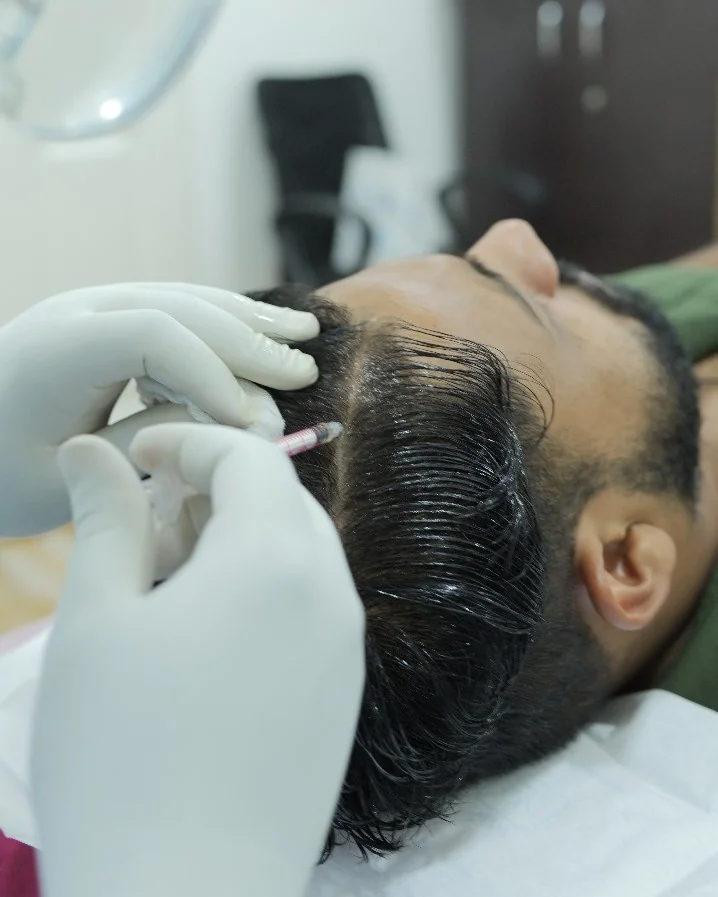
This is the first-line treatment for patchy alopecia areata affecting less than 50 percent of the scalp. Triamcinolone acetonide is injected directly into the affected patches at multiple points. The corticosteroid suppresses the local immune response, allowing the follicle to re-enter the anagen (growth) phase.
Most patients see initial regrowth within 4 to 8 weeks of the first session. Sessions are repeated every 4 to 6 weeks for 3 to 6 months depending on response. This treatment is performed in the dermatology clinic and does not require systemic medication.
Topical corticosteroids
High-potency topical steroids (clobetasol propionate) are used as an adjunct to intralesional injections, particularly for larger patches or in patients who cannot tolerate injections. Applied daily or as directed. Less effective than intralesional injections for established patches but useful for maintenance between injection sessions.
Minoxidil
Topical minoxidil (5 percent) is used as a supportive agent alongside primary treatment. It does not address the immune mechanism directly but stimulates follicle activity and can accelerate visible regrowth in follicles that are beginning to recover. It is not used as a standalone treatment for alopecia areata.
Topical immunotherapy (DPCP)
Diphenylcyclopropenone (DPCP) is applied to the scalp weekly to induce a controlled contact allergy that redirects the immune response away from the hair follicle. This is a specialised treatment used for extensive or treatment-resistant alopecia areata. It is available at select dermatology centres in India and requires careful monitoring.
Systemic corticosteroids
Oral or intramuscular corticosteroids are used for rapidly progressive or extensive alopecia areata where quick control of the immune response is needed. Long-term systemic steroid use carries significant side effects and is not a maintenance strategy. Short courses are used to halt rapid progression while other treatments are initiated.
JAK inhibitors
Janus kinase inhibitors represent the most significant recent advance in alopecia areata treatment. Baricitinib and ritlecitinib have received US-FDA approval specifically for severe alopecia areata. They work by blocking the JAK-STAT signalling pathway that drives the T-lymphocyte immune attack on the follicle. Clinical trials have shown significant regrowth in patients with alopecia totalis and alopecia universalis who had not responded to other treatments. These are oral medications taken daily and require monitoring for side effects including lipid changes and infection risk.
PRP and GFC as supportive treatments
Platelet-rich plasma (PRP) and growth factor concentrate (GFC) are used as adjuncts to primary treatment in alopecia areata. They provide growth factors that support follicle recovery and can improve response to intralesional injections. They are not primary treatments for alopecia areata but can accelerate and enhance regrowth in patients already responding to immunosuppressive treatment. For a detailed comparison of GFC and PRP, see our post on GFC vs PRP for hair loss.
What to Expect from Treatment: Realistic Timelines
| Timeframe | What to expect |
|---|---|
| Weeks 4 to 8 | First signs of regrowth after intralesional injections: fine, initially depigmented (white) hair visible in treated areas |
| Weeks 8 to 16 | Progressive thickening and pigmentation of regrowth. Patches reduce in size. |
| Months 4 to 6 | Significant regrowth in most responders to intralesional treatment. Full coverage in good responders. |
| 6 to 12 months | Stable disease in responders. Maintenance treatment planned based on disease activity. |
| Long-term | Alopecia areata is a relapsing condition. Patients in remission should be aware that new episodes can occur, particularly during periods of stress or immune system challenge. |
Not all patients respond to all treatments. Ophiasis pattern, alopecia totalis, and alopecia universalis have lower response rates to standard treatments and may require JAK inhibitor therapy. A dermatologist will discuss the realistic probability of response based on the type and extent of hair loss at the first consultation.
The Psychological Impact and Why It Matters
Alopecia areata is not a life-threatening condition, but its psychological impact can be profound. Studies consistently show that patients with alopecia areata have significantly higher rates of anxiety and depression than the general population, with the severity of psychological distress not always correlating with the physical extent of hair loss.
For patients in India, where hair carries significant cultural and social weight, even a small patch can cause disproportionate distress. Teenage patients are particularly vulnerable, and parental anxiety often amplifies the child’s own response to the condition.
At DermaVue, a consultation for alopecia areata addresses the psychological dimension alongside the clinical management plan. Patients are given accurate information about prognosis, realistic timelines for response, and what to do if the condition relapses. Where distress is significant, referral to a psychologist or counsellor is part of the management plan.
Alopecia Areata Treatment at DermaVue
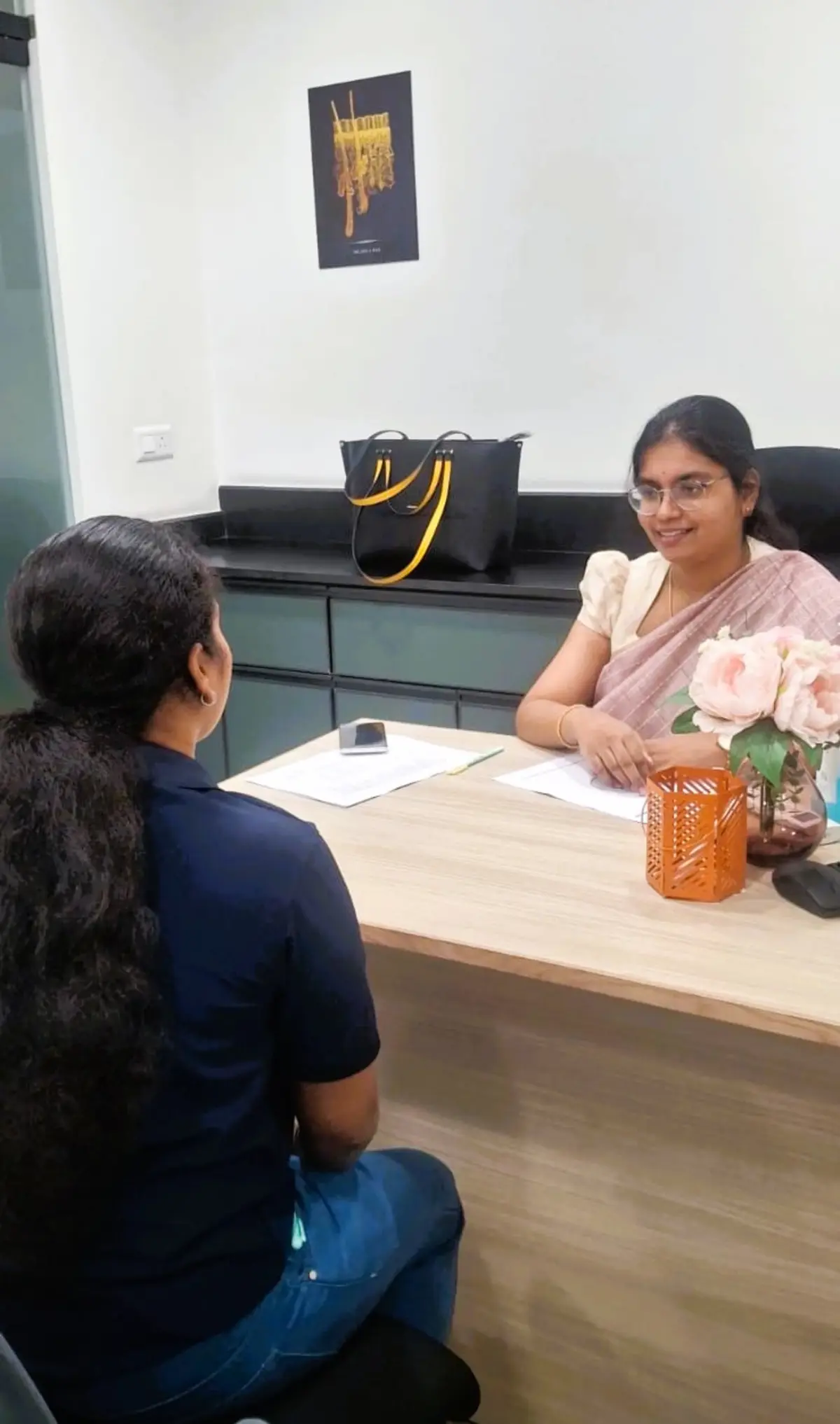
DermaVue offers alopecia areata assessment and treatment across all seven clinics in Kerala and Tamil Nadu. All consultations are conducted by IADVL-registered MD DVL dermatologists. The treatment plan is individualised based on the type, extent, and duration of hair loss, and the patient’s age and overall health profile.
Our Thrissur clinic has a dedicated alopecia areata treatment programme. Intralesional corticosteroid injections, topical treatment, PRP and GFC as supportive therapy, and coordination for JAK inhibitor therapy where indicated are all available across the network.
| Branch | Address | Phone / WhatsApp |
|---|---|---|
| Thiruvananthapuram | TC 42, 3003-2, Poojappura Main Rd, Kesari Nagar, Chengalloor, TVM 695012 | +91 83308 60007 |
| Kollam | UMK Arcade, Vellayittambalam, Kavanad PO, Kollam 691003 | +91 80868 60465 |
| Thiruvalla | Iykara Peniel Tower, Opp. Indian Overseas Bank, Thukalassery, Thiruvalla 689101 | +91 80860 00608 |
| Kottayam | Zion Towers, Second Floor 101, SH 1, Thellakom, Kottayam 686631 | +91 81298 83331 |
| Kochi (Aluva) | Metro Pillar No. 57, Tamarind Rajadhani Building, Near Pulinchodu, NH-47, Aluva 683101 | +91 90720 07733 |
| Thrissur | Ardra Arcade, Opp. Akshaya Hotel, Punkunnam, Thrissur 680002 | +91 73567 42225 |
| Coimbatore | 460, Ponnaiyan St, Cross Cut Rd, Ram Nagar, Gandhipuram, Coimbatore 641009 | +91 80868 60018 |
Book a consultation at your nearest branch. Visit dermavue.com/locations, call the branch directly, or WhatsApp our Thiruvananthapuram team for the clinic nearest to you.
Related Reading
- Hair Loss Treatment at DermaVue
- PRP and GFC Hair Treatment at DermaVue
- GFC vs PRP for Hair Loss: A Clinical Comparison
- Hair Transplant at DermaVue
- Alopecia Treatment at DermaVue Thrissur
Frequently Asked Questions
What is alopecia areata? Alopecia areata is an autoimmune condition in which the immune system attacks hair follicles, causing sudden patchy hair loss. The follicles are not permanently destroyed. They go dormant. This means regrowth is possible with treatment and can also occur spontaneously. Alopecia areata can affect the scalp, beard, eyebrows, eyelashes, and body hair. When all scalp hair is lost it is called alopecia totalis; when all body hair is lost it is called alopecia universalis.
Why do bald patches appear suddenly in alopecia areata? The patches appear suddenly because the immune system launches an acute attack on hair follicles, driving them from the active growth phase (anagen) into the resting phase (telogen). The hair shaft is expelled, leaving a smooth, round, well-defined bald patch. The suddenness of the onset reflects the immune response rather than a gradual follicle destruction. Because the follicle remains intact, regrowth can also begin relatively quickly once the immune attack is controlled.
Is alopecia areata permanent? Not necessarily. Hair follicles in alopecia areata are dormant, not destroyed. Spontaneous regrowth occurs in many patients, particularly those with patchy alopecia areata of recent onset. Treatment significantly improves the rate and extent of regrowth. However, alopecia areata is a relapsing condition. Patients who achieve remission can experience new episodes, particularly during periods of stress or immune system challenge. Extensive forms such as alopecia totalis and universalis have lower rates of full, sustained recovery.
What is the treatment for alopecia areata in India? The most effective first-line treatment for patchy alopecia areata in India is intralesional corticosteroid injections (triamcinolone acetonide) administered by a dermatologist. These are injected directly into the bald patches every 4 to 6 weeks. Topical steroids and minoxidil are used as supporting treatments. For extensive or treatment-resistant alopecia areata, options include topical immunotherapy (DPCP), systemic corticosteroids, PRP or GFC as adjuncts, and JAK inhibitors for severe cases.
Can stress cause alopecia areata? Stress can trigger or worsen alopecia areata in patients who are genetically predisposed to the condition, but it does not cause alopecia areata in people without the underlying immune predisposition. Stress activates immune pathways that can precipitate the autoimmune attack on hair follicles. Managing stress is therefore part of a holistic management plan, but treating the stress alone does not resolve the alopecia areata once it has started.
How long does it take for hair to grow back with alopecia areata treatment? Most patients who respond to intralesional corticosteroid injections see initial fine regrowth within 4 to 8 weeks of the first session. The hair is typically depigmented (white) initially and gradually thickens and regains colour over the following months. Significant regrowth in good responders is typically visible by 4 to 6 months of treatment. Full coverage, where achievable, usually requires 6 to 12 months of treatment.
Is alopecia areata the same as male or female pattern baldness? No. Alopecia areata is an autoimmune condition causing patchy hair loss. Male and female pattern baldness (androgenetic alopecia) is caused by genetic sensitivity to DHT and causes gradual, predictable thinning in a specific pattern. The mechanism, appearance, and treatment are completely different. A dermatologist can distinguish between the two conditions from clinical examination and dermoscopy.
Can alopecia areata affect the beard? Yes. Alopecia areata can affect any hair-bearing area, including the beard. Patchy beard alopecia areata presents as smooth, well-defined bald patches in the beard area in men. The same immune mechanism is involved and the same treatment approaches apply. Beard involvement sometimes occurs alongside scalp involvement and sometimes in isolation.
Authored by Dr. Sarath Chandran, MD DVL, IADVL-registered dermatologist and Managing Director, DermaVue Clinics. Peer reviewed by Dr. Minu Liz Mathew, MD DVL, Clinical Director, Kochi. Published August 2026. This article is for general information and does not substitute a clinical consultation. Individual treatment plans and prognosis vary based on the type, extent, and duration of alopecia areata.