HYALU OTC
Browse only · Order via clinic
 EV
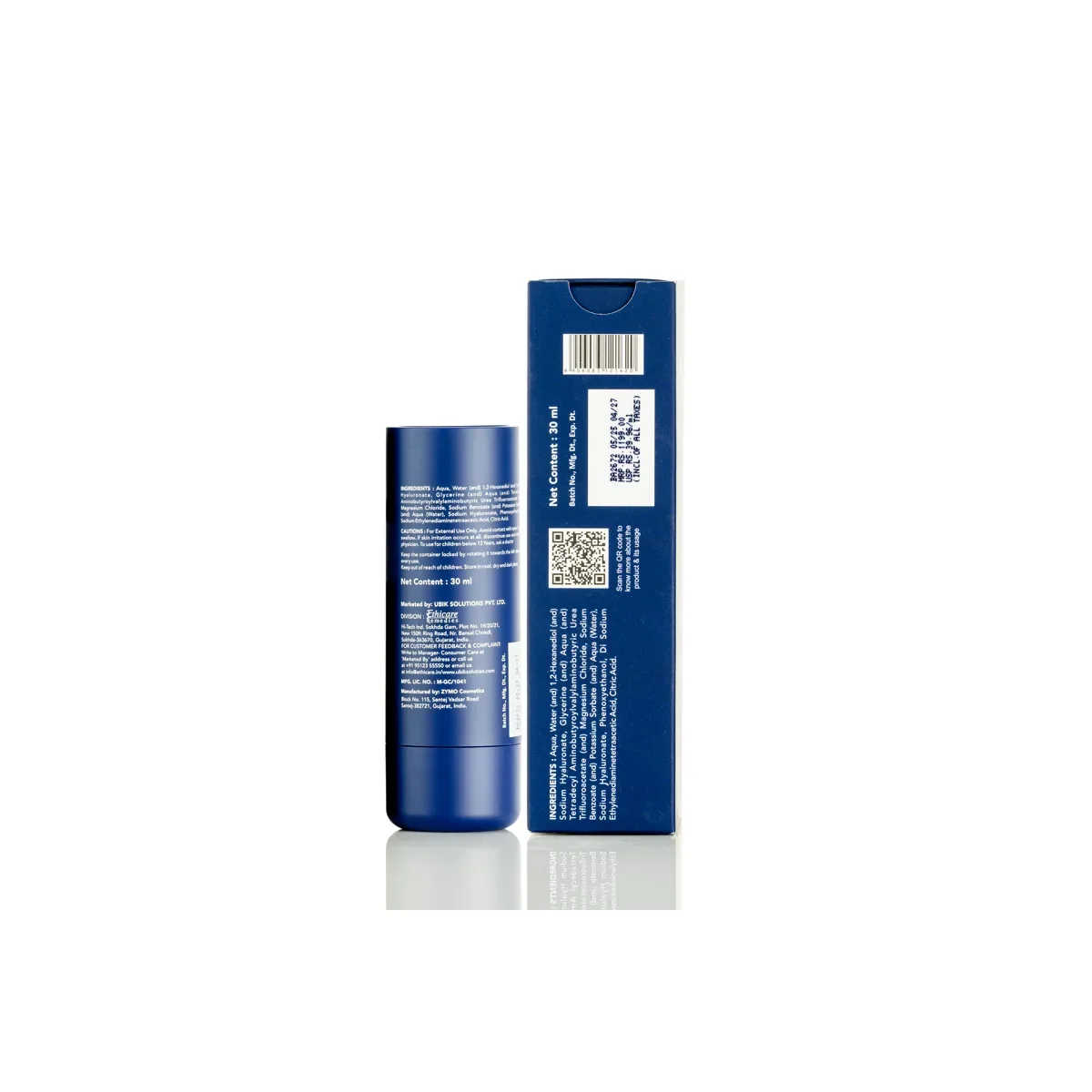
EV HYALU SERUM
HYALU ₹1,199 incl. of all taxes
View product
Online ordering is paused while we finalize fulfillment. Browse our products and consult via WhatsApp or visit any DermaVue clinic to order.
 01 / 04
 Anti-Pigmentation
APPLE
15ML
Curated by DermaVue Clinical Board
₹894
Members save more — join free
Inclusive of all taxes
Free clinic pickup · Courier ₹49, free from ₹999
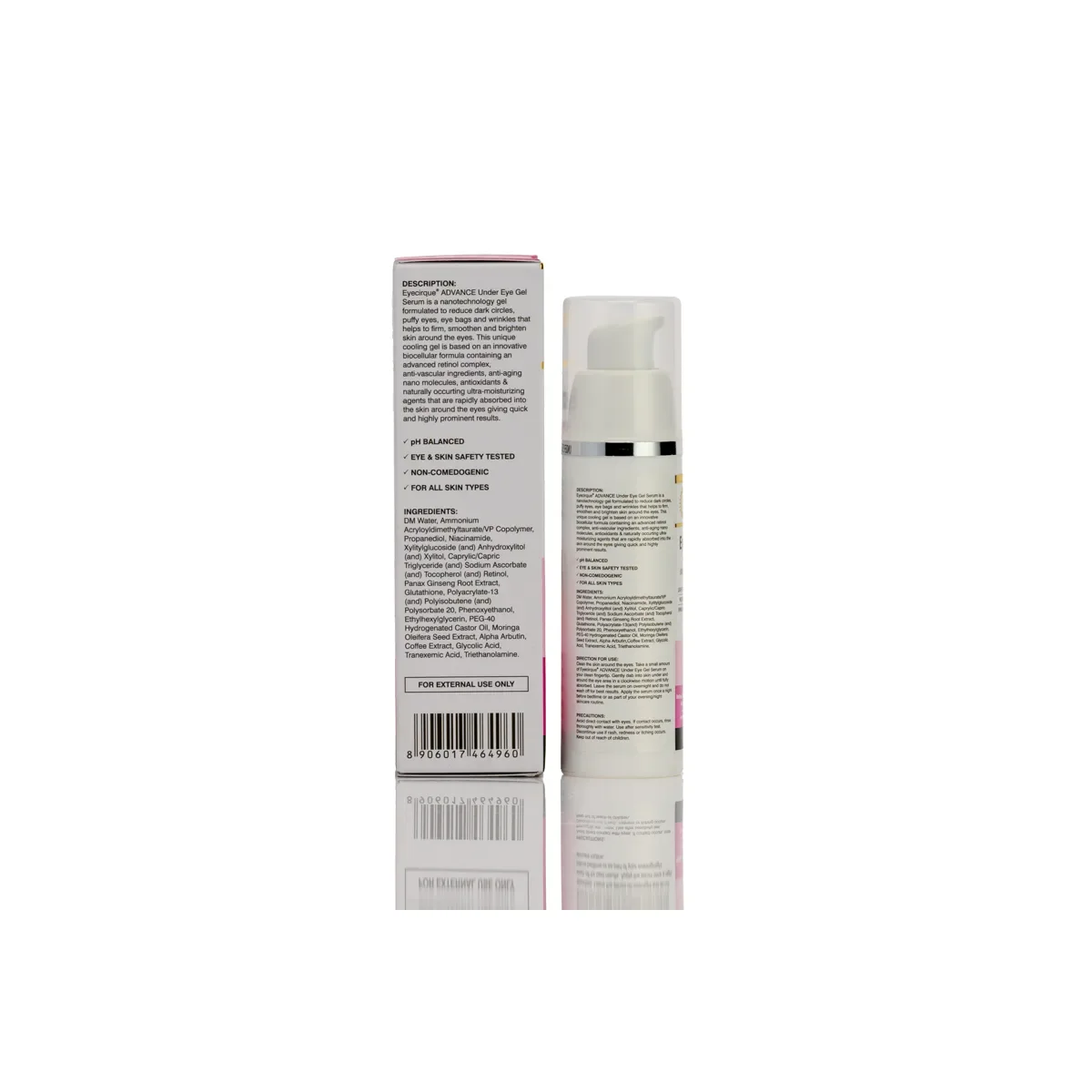
ENTOD BEAUTY EYECIRQUE ADVANCED (30G)
⚑ Contains photosensitising ingredient(s) — pair with SPF 50+.
INGREDIENT · RETINOID, VITAMIN A DERIVATIVE
also known as Vitamin A, Retinyl Alcohol
May help support skin cell turnover, collagen synthesis, and reduction of fine lines and wrinkles through vitamin A receptor activation
Retinol undergoes metabolic conversion to retinaldehyde and retinoic acid, which bind to nuclear retinoid receptors (RAR and RXR) in keratinocytes and fibroblasts. This activation has been shown to upregulate genes involved in collagen synthesis, cell proliferation, and differentiation while potentially downregulating matrix metalloproteinases. Research indicates retinol may also support mitochondrial function and counteract photo-oxidative stress in dermal fibroblasts through multiple signaling pathways including those related to cellular senescence.
Retinol may carry heightened irritation risk in Fitzpatrick IV-VI skin types and requires cautious introduction due to increased melanin content and barrier sensitivity. Post-inflammatory hyperpigmentation (PIH) is a significant concern in Indian skin populations; initiation at lower concentrations (0.25%) with gradual titration over 4-8 weeks is recommended. In Kerala's tropical, humid climate with high UV exposure, concurrent use of broad-spectrum SPF 50+ UVA/UVB sunscreen is mandatory to prevent photodamage and mitigate PIH risk. Formulations should incorporate stabilizing technologies (such as ethosomes or encapsulation systems) to reduce irritation potential while enhancing permeation without overwhelming the skin barrier. Night-time application and alternating frequency (2-3 times weekly initially) may help minimize sensory irritation and erythema in darker skin phenotypes.
0.25–1 % w/w (optimal ~0.5% w/w)
Studies indicate that ethosomal encapsulation of retinol using TPGS modification substantially reduces degradation rates at room temperature while maintaining particle size stability. Research suggests that optimized ethosomal formulations with binary alcohol systems can achieve enhanced transdermal permeation and drug loading capacity, potentially addressing retinol's chemical instability limitations. Incorporation of antioxidants has been shown to further improve stability profiles of retinol-containing delivery systems.
et al. AAPS PharmSciTech. 2026. PubMed →
Research indicates that retinoids including retinol remain the gold standard for topical anti-aging treatments, though their application is frequently limited by skin irritation and poor tolerability, particularly in sensitive or aged populations. Studies suggest comparative efficacy between retinol and plant-based alternatives can be evaluated through transcriptomic analysis and collagen synthesis assays in both 2D and 3D skin models. Evidence indicates that retinol's irritation profile may be particularly problematic for certain populations, creating clinical demand for refined formulation approaches.
et al. Pharmaceuticals (Basel, Switzerland). 2026. PubMed →
Research indicates that retinol shows promise in addressing dermal fibroblast senescence, which is a central mechanism of skin aging involving telomere shortening, mitochondrial decline, and dysregulation of signaling pathways. Studies suggest retinol's mechanism may involve modulation of pathways such as TGF-β and mTOR signaling to counteract the senescence-associated secretory pattern (SASP). However, retinol remains constrained by transdermal efficiency and cellular targeting limitations that present opportunities for formulation innovation.
et al. International Journal of Molecular Sciences. 2026. PubMed →
Research indicates that retinol has been employed in reconstructed human epidermis models to induce photo-oxidative stress, demonstrating its relevance in studying skin aging mechanisms. Studies suggest that evaluation of anti-aging compounds often involves co-treatment with retinol to assess inflammatory, hydration, proliferation, and barrier-related markers. Evidence indicates retinol's role in photodamage modeling helps elucidate mechanisms of cellular senescence and mitochondrial dysfunction in skin aging pathways.
et al. Biomedicines. 2026. PubMed →
Tocopherol · Tocopheryl Acetate · Niacinamide · Hyaluronic Acid · Ceramides · Glycerin · Centella Asiatica Extract · Rosmarinus Officinalis Extract
Benzoyl Peroxide · Vitamin C (L-Ascorbic Acid) at high pH · AHA/BHA (concurrent use may increase irritation) · Tretinoin · Adapalene · Isotretinoin
INGREDIENT · DEPIGMENTING AGENT / ANTI-INFLAMMATORY
also known as Tranexamic Acid, TNXA
May help support reduction of hyperpigmentation through modulation of melanogenesis and inflammatory pathways
Tranexamic acid is suggested to modulate multiple biological pathways involved in pigment production, including inflammatory signaling, hormonal balance, and melanocyte activity. Research indicates it may inhibit plasmin-mediated activation of melanocytes and reduce expression of inflammatory cytokines that drive melanogenesis. Studies suggest the ingredient addresses key hyperpigmentation triggers including inflammation, hormonal imbalance, and environmental pollution-induced oxidative stress.
Tranexamic acid has been shown to be particularly relevant for Fitzpatrick skin types III-VI, as research indicates these populations experience higher incidence and severity of post-inflammatory hyperpigmentation and melasma with increased tendency toward relapse. In Kerala's tropical climate with high UV exposure and humidity, topical tranexamic acid may provide enhanced benefit when combined with rigorous photoprotection (SPF 50+ daily application). Clinical evidence suggests tranexamic acid is well-tolerated in darker skin types when formulated appropriately, though individual patch testing is recommended prior to full-face application given the increased risk of contact dermatitis in melanin-rich skin.
2–5 % w/w (optimal ~5% w/w)
Real-world case series of 5% tranexamic acid serum demonstrated that application after in-office pigment-targeting procedures (non-ablative laser, microneedling, salicylic acid peel) may accelerate improvement in dyspigmentation. Studies suggest the combination approach offered added benefits of improved skin texture and radiance when integrated into comprehensive skincare regimens.
Journal of Drugs in Dermatology Journal of Drugs in Dermatology. 2026. PubMed →
Randomized controlled trial compared microneedling and intradermal injection approaches for tranexamic acid delivery in melasma treatment. Research indicates both delivery methods demonstrated efficacy, though the study highlights melasma's challenge of resistance to treatment and high relapse tendency.
Indian Journal of Dermatology Indian Journal of Dermatology. 2026. PubMed →
Research indicates that melasma in Fitzpatrick skin types III-V demonstrates high relapse rates and chronic persistence. Studies suggest addressing cytokine-driven inflammation and visible light-induced melanogenesis supports rationale for multimodal therapeutic approaches combining topical agents with procedural interventions.
Journal of Cosmetic Dermatology Journal of Cosmetic Dermatology. 2026. PubMed →
Evidence indicates that Fitzpatrick skin types III-VI experience increased risk of post-inflammatory hyperpigmentation with more pronounced dyspigmentation. Research suggests pathophysiology involves complex pathways including UV radiation, local inflammation, and cytokine signaling, highlighting need for prompt management to prevent months-to-years persistence.
Journal of Cutaneous Medicine and Surgery Journal of Cutaneous Medicine and Surgery. 2026. PubMed →
Research indicates that microneedle patches containing tranexamic acid exhibit greater skin-lightening effects than traditional topical formulations. Clinical studies have validated safety and efficacy in reducing melasma and post-inflammatory hyperpigmentation with minimal adverse effects through enhanced transdermal delivery.
Recent Advances in Drug Delivery and Formulation Recent Advances in Drug Delivery and Formulation. 2026. PubMed →
Niacinamide · Glabridin · Kojic Acid · Hydroquinone · Alpha-hydroxy acids · Salicylic acid · Retinoids
High-pH formulations (may reduce stability) · Oxidizing agents (benzoyl peroxide may degrade)
INGREDIENT · DEPIGMENTING AGENT / TYROSINASE INHIBITOR
also known as Alpha-Arbutin, α-Arbutin
May help support skin brightening and even tone through tyrosinase inhibition and melanin synthesis modulation
Alpha-arbutin undergoes hydrolysis to release hydroquinone, which research indicates may inhibit tyrosinase enzyme activity and potentially reduce melanin production in melanocytes. Studies suggest the ingredient works through competitive inhibition of tyrosinase, the key enzyme responsible for melanin synthesis. The mechanism may involve downregulation of melanin-synthesis-related genes, supporting its use in addressing hyperpigmentation concerns.
Alpha-arbutin has been shown in research to support melanin reduction across diverse skin types and may be particularly relevant for Fitzpatrick IV-VI individuals in Kerala where high UV exposure and genetic predisposition contribute to melasma and PIH. Studies indicate the ingredient's efficacy is not compromised in darker skin phenotypes; however, practitioners should monitor for delayed or uneven depigmentation patterns common in Indian skin, as PIH risk remains significant during treatment. The tropical Kerala climate with intense UVB exposure necessitates concurrent daily broadspectrum sunscreen use (SPF 50+) and consideration of sequential therapy; alpha-arbutin alone may be insufficient for moderate-to-severe melasma in this population. Combining with other tyrosinase inhibitors or tranexamic acid may enhance efficacy, though patch testing is advisable given variable skin sensitivity in pigmented populations.
2–4 % (optimal ~2%)
Research indicates alpha-arbutin was used as a comparative standard for tyrosinase inhibitory activity and skin-brightening applications. The study evaluated Reishi extract against alpha-arbutin, suggesting both ingredients have potential for anti-aging and depigmenting formulations.
Authors not listed International Journal of Cosmetic Science. 2026. PubMed →
Studies indicate certain botanical compounds demonstrated tyrosinase inhibition superior to alpha-arbutin in vitro, with liquiritigenin reducing pigmentation by 22-41% in melanoma cells. The research suggests alpha-arbutin remains a relevant comparative benchmark for depigmenting efficacy evaluation.
Authors not listed Natural Product Research. 2026. PubMed →
Research indicates that Cinnamomum burmanni essential oil nanoemulgel demonstrated anti-photoaging effects comparable to alpha-arbutin in vivo and through computational modeling. Findings suggest alpha-arbutin remains a relevant clinical standard for evaluating anti-aging and depigmenting formulation efficacy.
Authors not listed Natural Product Research. 2025. PubMed →
Studies indicate tranexamic acid demonstrated additive melanin-inhibitory effects when combined with alpha-arbutin in B16 melanoma cells. Research suggests the combination may enhance depigmenting efficacy, supporting sequential or combination therapeutic approaches for melasma management.
Authors not listed Cell Biology International. 2026. PubMed →
Research indicates advanced nanocarrier encapsulation of alpha-arbutin achieved 95.65% melanin inhibition rate in zebrafish models and demonstrated enhanced skin penetration and melanin reduction in C57BL/6J mice. Studies suggest improved delivery systems may enhance alpha-arbutin's transdermal bioavailability and depigmenting efficacy compared to conventional formulations.
Authors not listed ACS Applied Materials & Interfaces. 2025. PubMed →
Tranexamic Acid · Kojic Acid · Vitamin C (Ascorbic Acid) · Niacinamide · Glycolic Acid · Salicylic Acid
Benzoyl Peroxide (may reduce efficacy) · High concentrations of vitamin A derivatives (retinol/retinoids may increase irritation risk)
INGREDIENT · VITAMIN B COMPLEX, SKIN CONDITIONING AGENT
also known as Vitamin B3, Nicotinamide
Barrier support, melanin transfer inhibition, anti-inflammatory, skin tone regulation
Niacinamide functions through multiple pathways including inhibition of melanosome transfer from melanocytes to keratinocytes, thereby potentially reducing hyperpigmentation. Research indicates it modulates skin barrier function by supporting ceramide and lipid synthesis, while simultaneously exerting anti-inflammatory effects through NAD+ pathway involvement. Studies suggest niacinamide's transdermal delivery is pH-dependent, with neutral formulation pH (7.4) facilitating approximately twofold greater skin permeation compared to acidic pH, which may enhance its biological activity.
Niacinamide demonstrates particular relevance for Fitzpatrick IV-VI skin types, where post-inflammatory hyperpigmentation (PIH) and melasma represent significant clinical concerns, especially in Indian populations with genetic predisposition to melanin dysregulation. In Kerala's tropical climate with high UV exposure, niacinamide's dual mechanism—supporting barrier integrity against environmental stressors while inhibiting melanin transfer—offers protective benefits without photosensitization risk. Research indicates that niacinamide formulations optimized at neutral pH may enhance efficacy in darker skin phototypes where enhanced permeation facilitates superior melanin transfer inhibition, making it particularly suitable for Indian dermatological practice where melasma prevalence ranges from 8-40% in certain populations. Local humidity and heat may increase transepidermal water loss in tropical settings; niacinamide's barrier-strengthening properties may provide compensatory protection.
2–10 %w/w (optimal ~4%w/w)
Large database analysis examining niacinamide's potential role in skin cancer prevention through supplementation.
Not specified in abstract provided Journal of the American Academy of Dermatology. 2026. PubMed →
Research indicates that neutral pH (7.4) formulations increase niacinamide skin permeation approximately twofold compared to acidic pH (5.0), with corresponding changes in stratum corneum electrical properties facilitating enhanced transdermal delivery. Studies employed Franz cell diffusion experiments and electrical impedance spectroscopy using human skin models to characterize pH-dependent permeation mechanisms.
Not specified in abstract provided Scientific Reports. 2026. PubMed →
Research indicates that dissolving microneedle patches containing niacinamide exhibit greater skin-lightening effects than traditional topical formulations for treating melasma and post-inflammatory hyperpigmentation. Clinical studies have validated safety and efficacy with minimal adverse effects when using advanced transdermal delivery systems.
Not specified in abstract provided Recent Advances in Drug Delivery and Formulation. 2026. PubMed →
Systematic umbrella review evaluating nutritional supplements including niacinamide for primary prevention of skin diseases across 9,229 participants, examining preventive effects against ultraviolet radiation-induced skin pathology and other dermatological conditions.
Not specified in abstract provided Preventive Nutrition and Food Science. 2026. PubMed →
Research comparing glabridin with niacinamide as recognized inhibitor of melanosome transfer in UVB-irradiated co-culture systems demonstrated complementary mechanisms for reducing melanin transfer from melanocytes to keratinocytes through dendrite suppression pathways.
Not specified in abstract provided Pharmaceuticals (Basel, Switzerland). 2026. PubMed →
Glabridin · Tranexamic acid · Ceramides · Hyaluronic acid · Panthenol · Zinc compounds
EV  EV
EV 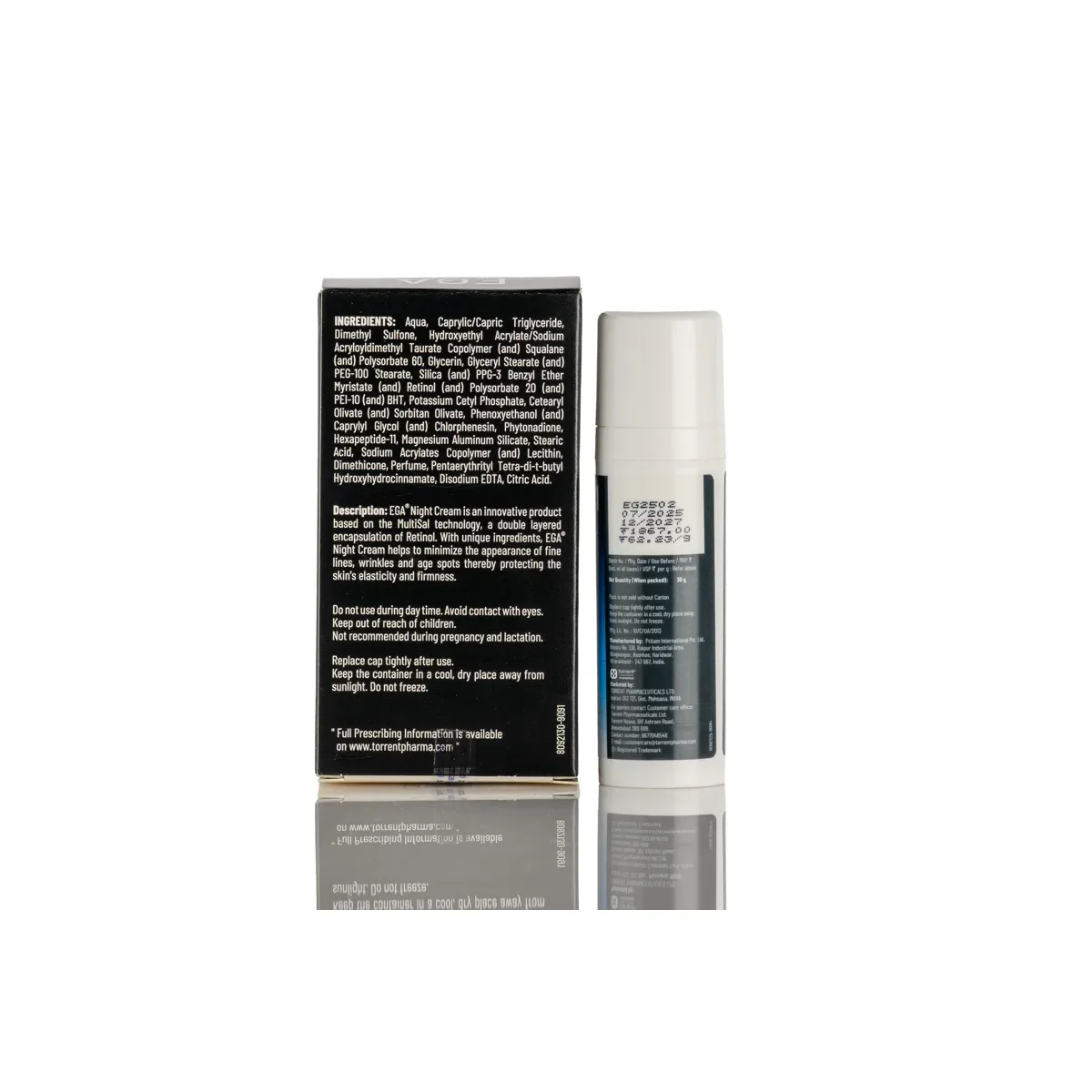 EV
EV 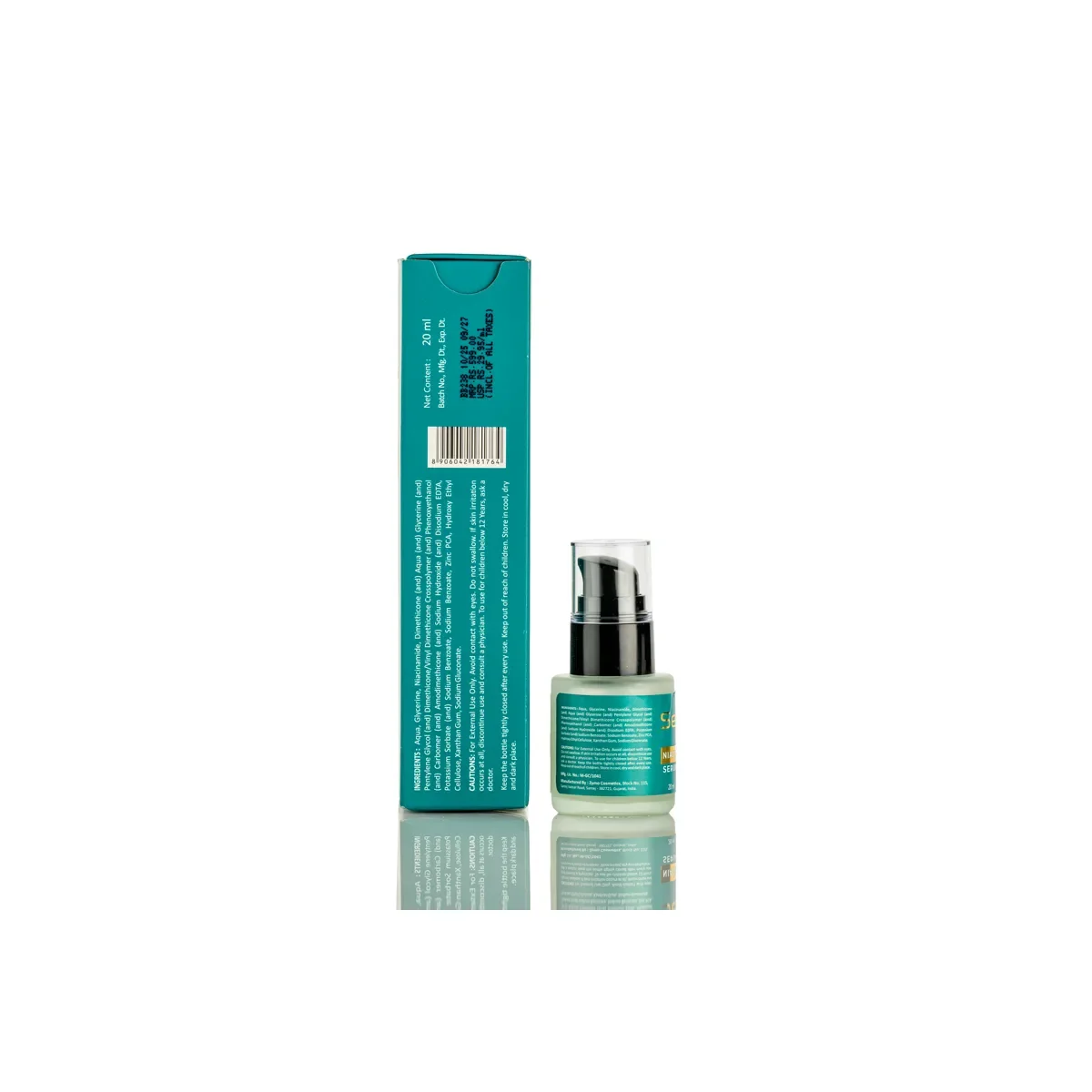 EV
EV This platform is operated by DermaVue Skin & Hair Clinics, an IADVL-registered dermatology practice. Products listed are for informational purposes. Prescription medications require a valid prescription from a registered medical practitioner. Self-medication is not advised. Please consult your dermatologist before starting any new skincare regimen.