Introduction
Teenage skincare – why is it so complicated?
If you have a teenager at home, you know exactly what I mean.
The pimples that appear right before important events. The oily skin that never seems to cooperate. The arguments about makeup, junk food, and bedtime. The eye rolls when you try to give advice.
As a dermatologist – and as someone who understands the challenges of parenting teenagers – I see this story play out in my clinic every single week. Parents come to me frustrated, and teenagers come feeling misunderstood.
Here’s what I’ve learned: You cannot force a teenager to do anything. If you try to ban their makeup, they’ll apply it at school. If you forbid junk food, they’ll eat it with friends. If you demand early bedtimes, they’ll stay up secretly on their phones.
But you CAN teach them. You can guide them. You can show them the right way.
And that’s exactly what this blog post is about – 5 essential lessons every parent must teach their teenager about skincare, health, and self-confidence. These aren’t just beauty tips; they’re life skills that will serve them well into adulthood.
Let’s begin.
1. Makeup: Don’t Ban It – Teach the Right Way
The Reality
Let’s face it – teenagers love makeup. Whether it’s lip gloss, foundation, or full-on contouring tutorials from YouTube, makeup has become a significant part of teenage self-expression. And telling them to stop? That rarely works.
Instead of fighting a losing battle, teach them how to use makeup safely and smartly.
What to Teach Your Teen About Makeup:
Always Apply Moisturizer First
Makeup should never go directly on bare skin. A layer of moisturizer creates a protective barrier between the skin and makeup products. This prevents clogged pores, reduces irritation, and actually helps makeup look better.
Tip: Choose a lightweight, non-comedogenic moisturizer suitable for teenage skin.
Don’t Wear Makeup Every Day
Skin needs to breathe. Wearing makeup daily – especially heavy foundation – can clog pores, increase oil production, and lead to acne breakouts. Encourage your teen to have “makeup-free” days, especially on weekends or at home.
Tip: Suggest they save full makeup looks for special occasions and stick to minimal products on regular days.
NEVER Sleep with Makeup On
This is the golden rule that I cannot stress enough. Sleeping with makeup on is one of the worst things anyone can do to their skin. Here’s why:
- Makeup traps dirt, oil, and environmental pollutants against the skin
- Pores get clogged, leading to blackheads, whiteheads, and acne
- Skin cannot repair itself properly overnight
- Eye makeup left on can cause irritation and infections
- Foundation left overnight leads to dull, tired-looking skin
Tip: Make makeup removal a non-negotiable bedtime ritual. A gentle micellar water or cleansing balm followed by a face wash works best.
Choose Products Wisely
Not all makeup is created equal. Teach your teenager to:
- Look for “non-comedogenic” products (won’t clog pores)
- Avoid sharing makeup with friends (hygiene and infection risk)
- Check expiry dates on products
- Clean makeup brushes and sponges regularly
- Remove eye makeup gently without rubbing
The Parent’s Role:
Instead of criticizing their makeup choices, offer to take them shopping for good-quality, skin-friendly products. Turn it into a bonding experience rather than a battleground.
2. Junk Food: Balance, Not Banning
The Reality
Your teenager loves pizza. They crave chocolate. They can’t resist those sugary drinks. And no matter how many times you explain that “junk food is bad for skin,” they keep reaching for the chips.
Here’s the truth: Banning junk food doesn’t work. It only makes it more appealing. The moment they’re out of your sight, they’ll eat it anyway – and probably more of it.
A much better approach? Teach balance.
What to Teach Your Teen About Food & Skin:
Portion Control Over Prohibition
Instead of saying “No pizza ever,” try “Have one or two slices, not the whole box.” Instead of “No chocolate,” say “A small piece after dinner is fine.”
When teenagers feel deprived, they tend to overindulge when they get the chance. But when they’re taught moderation, they naturally develop healthier habits.
Downsize Sugary Drinks
Sodas, packaged juices, and energy drinks are loaded with sugar – which can trigger acne breakouts, increase oil production, and cause skin inflammation. But asking a teenager to quit cold turkey? Unrealistic.
Instead:
- Switch from large to small sizes
- Encourage water or fresh lime water as alternatives
- Limit sugary drinks to specific occasions, not daily consumption
Fix Specific “Junk Food Days”
Rather than random, uncontrolled junk food consumption, establish specific days. For example:
- “Pizza Friday” or “Sunday treat”
- This gives them something to look forward to
- It teaches them that treats are okay – in moderation
Explain the Skin-Food Connection
Teenagers respond better when they understand the “why.” Explain how:
- High sugar intake can worsen acne
- Oily, fried foods can increase sebum production
- Dairy may trigger breakouts in some people
- Hydration (water!) is essential for clear skin
Don’t lecture – just share information. Let them make informed choices.
The Parent’s Role:
Lead by example. If you’re snacking on chips while telling them to eat salad, the message won’t land. Stock the house with healthier snack options, but also allow treats in moderation. Make home-cooked food appealing and enjoyable.
3. Sleep: Teach Consistency, Not Just Early Bedtimes
The Reality
Let me share something that breaks my heart as a dermatologist and a healthcare professional:
This is the most sleep-deprived generation of teenagers in history.
Between homework, social media, online gaming, and the endless scroll of content, teenagers are staying up later and later. And when they do try to sleep, their minds are still buzzing from screen time.
The effects on skin? Significant:
- Dark circles and under-eye puffiness
- Dull, tired-looking skin
- Increased acne breakouts (stress hormones rise with poor sleep)
- Slower skin healing and repair
- Premature signs of aging
But here’s the challenge: telling a teenager to “go to bed at 9 PM” rarely works. Their natural sleep cycle (circadian rhythm) actually shifts during adolescence, making them naturally inclined to stay up later.
What to Teach Your Teen About Sleep:
Consistency Over Timing
If your teenager won’t sleep at 9 PM, don’t fight it endlessly. Instead, focus on consistency.
If they sleep at 11 PM, then they should sleep at 11 PM every night – including weekends. And they should wake up at the same time every morning.
Why? Because irregular sleep patterns confuse the body’s internal clock, leading to:
- Difficulty falling asleep
- Poor sleep quality
- Daytime fatigue
- Hormonal imbalances that affect skin
A consistent 11 PM to 7 AM schedule is better than randomly sleeping at 9 PM one night and 1 AM the next.
Create a “Wind Down” Routine
Help your teenager establish a pre-sleep routine:
- Put away phones and screens 30-60 minutes before bed
- Dim the lights
- Do their skincare routine (more on this next!)
- Read, listen to calm music, or practice deep breathing
Explain the Skin-Sleep Connection
Teenagers care about how they look. Use that to your advantage:
- Skin repairs itself during deep sleep
- Growth hormone (essential for healthy skin) is released during sleep
- Lack of sleep increases cortisol (stress hormone), which triggers acne
- “Beauty sleep” is real – it’s when skin cells regenerate
When they understand that sleep = better skin, they might take it more seriously.
The Parent’s Role:
Set boundaries around screen time, especially before bed. Consider a family rule of “phones charging outside bedrooms at night.” But most importantly, model good sleep habits yourself. If you’re scrolling at midnight, your teenager will too.
4. Skincare: Keep It Simple
The Reality
With social media flooded with 10-step Korean skincare routines, serums, essences, toners, and countless products, teenagers often feel overwhelmed or, conversely, think they need expensive, complicated routines.
The truth? Teenage skin needs simplicity.
Over-complicating skincare can actually cause more harm than good – stripping the skin barrier, causing irritation, or clogging pores with too many products.
The Only Skincare Routine Your Teen Needs:
Step 1: Cleanser
A gentle, pH-balanced face wash used twice daily – morning and night.
Why it matters:
- Removes dirt, oil, sweat, and pollution
- Prevents clogged pores
- Creates a clean base for other products
Tips:
- Avoid harsh soaps or bar soaps on the face
- Don’t over-wash (twice a day is enough)
- Use lukewarm water, not hot
For oily/acne-prone skin: Look for cleansers with salicylic acid For normal/dry skin: Gentle, fragrance-free cleansers work best
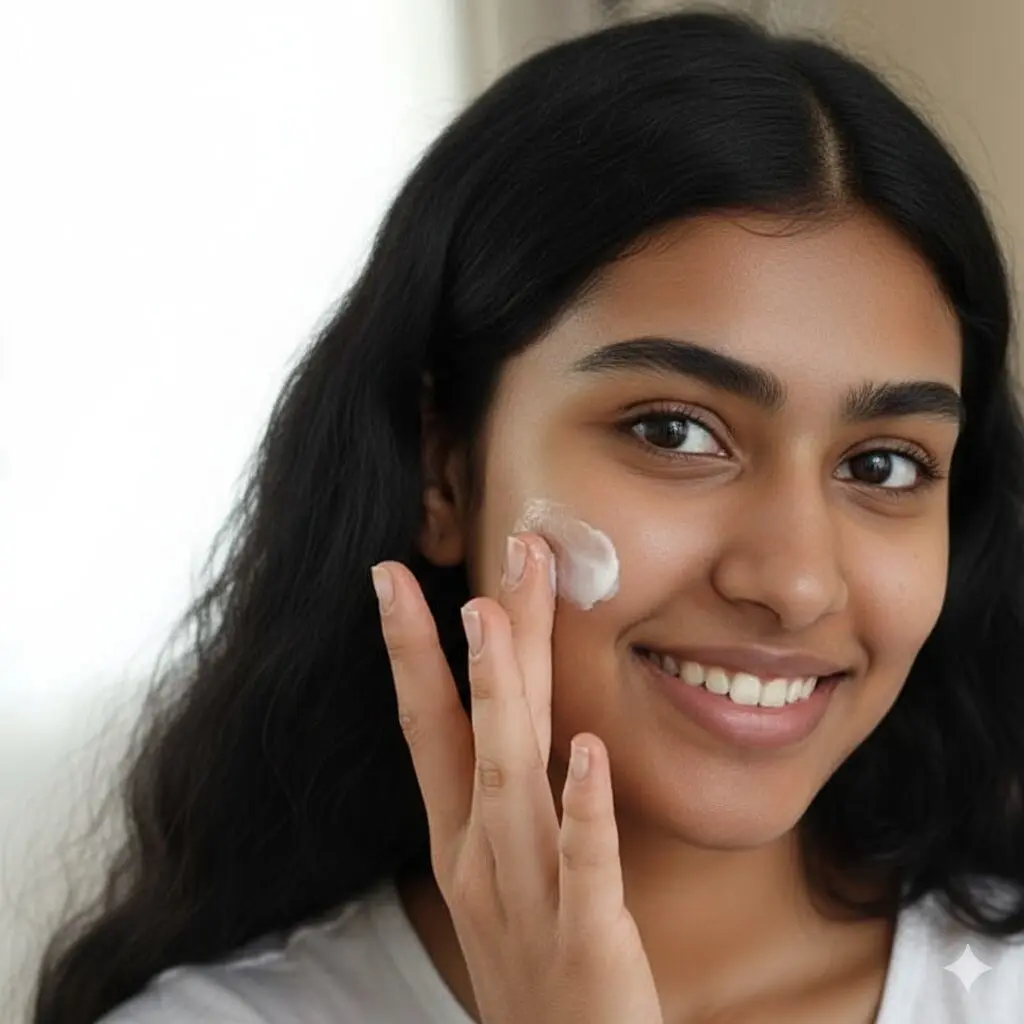
Step 2: Moisturizer
Yes, even oily skin needs moisturizer!
Why it matters:
- Keeps skin hydrated and balanced
- Prevents skin from producing excess oil (dehydrated skin overcompensates)
- Protects the skin barrier
- Prevents dryness and flakiness
Tips:
- Use a lightweight, non-comedogenic formula
- Apply on slightly damp skin for better absorption
- Don’t skip this step – ever
Step 3: Sunscreen
This is the most important step that most teenagers skip.
Why it matters:
- UV rays cause premature aging, dark spots, and uneven skin tone
- Sun damage is cumulative – it starts in teenage years
- Sunscreen prevents acne scars from darkening
- Protects against skin cancer
Tips:
- Use SPF 30 or higher daily – even on cloudy days
- Reapply every 2-3 hours if outdoors
- Choose lightweight, non-greasy formulas that won’t clog pores
That’s It. Three Products.
MORNING: Cleanser → Moisturizer → Sunscreen
NIGHT: Cleanser → Moisturizer
Simple. Effective. Sustainable.
What to Avoid:
- Too many products at once
- Harsh scrubs or over-exfoliating
- DIY remedies without research (lemon, toothpaste, etc.)
- Sharing skincare products with friends
- Skipping sunscreen
When to Add More Products:
If your teenager has specific concerns like acne, they can add targeted treatments – but only under the guidance of a dermatologist. Products containing benzoyl peroxide, salicylic acid, or retinoids should be introduced carefully.
The Parent’s Role:
Help your teenager choose the right products. A quick consultation with a dermatologist can prevent years of trial-and-error with random products. Investing in basic, quality skincare now will save money (and skin) in the long run.
Remember: Start young, glow forever.
5. Kindness: The Most Important Lesson
The Reality
Now we come to the most important lesson of all – and it has nothing to do with products or routines.As a dermatologist, I treat skin conditions. But I also see the emotional damage that comes with them. Teenagers who refuse to look in mirrors. Teenagers who won’t go to school because of a breakout. Teenagers who cry in my clinic because they feel “ugly.”And you know what often contributes to this pain?
The words they hear at home.
Please Stop Using These Words:
“Fat” “Dark” “Ugly” “Skinny” “Why do you have so many pimples?” “Look at your skin – what happened?” “You’re getting so dark from playing outside” “Eat less, you’re getting fat” “You look terrible today”
These words might seem casual. They might even come from a place of concern. But to a teenager who is already insecure, already navigating hormonal changes, already comparing themselves to filtered Instagram photos – these words cut deep.
Body Shaming Is Not a Joke. It’s Emotional Abuse.
I want to be very clear about this:
Body shaming can destroy a child’s confidence for life.
The voice you use at home becomes the voice in their head – forever. When you call them “fat,” they hear it every time they look in the mirror. When you point out their “dark skin,” they feel inferior for years. When you criticize their acne, they feel unworthy of love and acceptance.
This isn’t dramatic. This is reality. I see it in my clinic every day.
What to Say Instead:
“You’re beautiful just as you are” “Your skin is going through changes – it’s normal and temporary” “Let’s see a dermatologist together and find solutions” “I love you no matter what” “Your worth isn’t defined by how you look” “Everyone has skin concerns – even adults” “I’m proud of who you are”
Building Confidence:
True confidence doesn’t come from perfect skin. It comes from:
- Feeling accepted and loved unconditionally
- Knowing that appearance doesn’t define worth
- Having supportive, kind people around
- Learning self-compassion
- Understanding that everyone has insecurities
The Parent’s Role:
Be mindful of your words. Be their safe space. When they come to you with skin concerns, don’t dismiss them (“It’s just pimples”) or criticize them (“You should have washed your face more”). Listen. Empathize. Help them find solutions.
And please – never joke about their appearance. What seems like harmless teasing to you can feel like crushing criticism to them.
Raise confident kids. Choose kindness.
Summary: 5 Things Every Parent Must Teach
| # | Lesson | Key Message |
| 1 | Makeup | Don’t ban – teach the right way. Moisturizer first. Never sleep with makeup on. |
| 2 | Junk Food | Balance, not banning. Portion control. Specific treat days. |
| 3 | Sleep | Consistency matters more than early bedtimes. Same time every night. |
| 4 | Skincare | Keep it simple. Cleanser + Moisturizer + Sunscreen. That’s it. |
| 5 | Kindness | Stop body shaming. Build confidence. Your words become their inner voice. |
When to See a Dermatologist
While the tips above work for most teenagers, some skin concerns need professional attention. Consider booking a consultation if your teen experiences:
- Severe or painful acne (cystic acne, nodules)
- Acne that leaves scars or dark marks
- Acne that doesn’t improve after 6-8 weeks of basic skincare
- Sudden, unusual breakouts that seem hormonal
- Skin conditions like eczema, psoriasis, or excessive oiliness
- Significant emotional distress related to skin appearance
- Any skin concern that affects their confidence or daily life
Early intervention prevents long-term damage. A dermatologist can create a customized treatment plan that’s safe and effective for teenage skin.
Final Words
Parenting a teenager isn’t easy. But it’s also one of the most important jobs in the world.
The habits they build now will shape their health, confidence, and self-image for decades to come. By teaching them the right approach to skincare, nutrition, sleep, and self-love, you’re giving them tools that go far beyond clear skin.
Don’t ban. Teach. Don’t criticize. Guide. Don’t shame. Empower.
And remember – start young, glow forever.
Your teenager is watching you. Your words matter. Your actions matter. Be the parent who raises confident, healthy, happy kids.
Let’s do this together.
Frequently Asked Questions (FAQ)
Q1: At what age should teenagers start a skincare routine?
A: Basic skincare can begin as early as 10-12 years, especially with the onset of puberty. A simple routine of cleanser, moisturizer, and sunscreen is appropriate for all teenagers.
Q2: Can teenagers use anti-aging products?
A: Generally, teenagers don’t need anti-aging products. However, sunscreen is essential as it prevents premature aging. If specific concerns exist, consult a dermatologist before introducing active ingredients like retinol.
Q3: How can I help my teenager with acne without hurting their feelings?
A: Approach the topic with empathy. Instead of pointing out their acne, ask if they’d like help finding solutions. Offer to book a dermatologist appointment together. Normalize skin concerns – everyone has them!
Q4: Is it okay for teenagers to wear makeup to school?
A: Light, minimal makeup is generally fine as long as they’re using good-quality products and removing it properly at night. Focus on teaching them the right way rather than banning it completely.
Q5: My teenager refuses to wear sunscreen. What should I do?
A: Help them find a sunscreen they actually like – lightweight, non-greasy, and non-whitening formulas work best. Explain that sunscreen prevents acne scars from darkening and keeps skin looking young. Sometimes, letting them choose their own sunscreen increases compliance.
Q6: How much sleep do teenagers actually need?
A: Teenagers need 8-10 hours of sleep per night. While this might not always be achievable, consistency in sleep timing is crucial. Encourage a regular sleep schedule even if the bedtime is later than ideal.
Q7: Can diet really affect teenage skin?
A: Yes! High-sugar foods, dairy (for some), and oily/fried foods can worsen acne in certain individuals. However, diet isn’t the only factor. A balanced approach – not complete elimination – works best.
Q8: When should I take my teenager to a dermatologist?
A: If acne is severe, painful, scarring, or not improving with basic skincare after 6-8 weeks, it’s time to see a dermatologist. Also consult a professional if skin concerns are affecting your teen’s confidence or mental health.
Watch the Video
Watch Dr. Arunima explain these 5 lessons on our YouTube channel: Teenage Skincare_ 5 Things Every Parent Must Teach – Dermatologist Explains@DermaVue #parentingtips