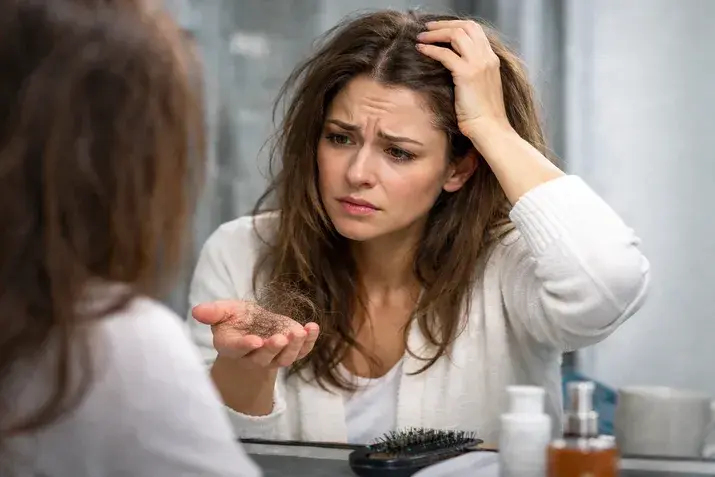
Hair fall is one of the most frequent concerns we see in dermatology practice. It affects both men and women across different age groups, often causing anxiety and loss of confidence. Before starting any hair fall treatment in Kerala, the first step is to identify the underlying cause. Hair fall is a symptom, not a diagnosis.
At DermaVue, every consultation is led by an experienced Dermatologist in Kochi, who provides personalized, evidence-based advice rather than trial-and-error remedies. The goal is to understand why hair is falling and recommend a plan that targets the underlying cause.
Understanding the Hair Growth Cycle
Understanding hair fall begins with knowing how hair naturally grows. Every hair on the scalp follows a continuous cycle consisting of three key phases:
- Anagen: The active growth phase when hair is forming and lengthening. This phase can last several years in a healthy person.
- Catagen: A short transition phase when the hair stops growing, and the follicle begins to shrink. Usually lasts a few weeks.
- Telogen: The resting phase, when hair is no longer growing and eventually sheds, allowing new hair to grow from the same follicle.
Hair fall becomes noticeable when this balance is disrupted. Too many hairs entering the telogen phase simultaneously, or a shortened anagen phase that produces thinner hair, can result in reduced volume, widening of the part, or visible scalp. Conditions such as telogen effluvium and androgenetic alopecia are examples of disruptions in this cycle.
Common Causes of Hair Fall in Men
In men, hair fall is often progressive and pattern-based, influenced strongly by genetics and hormones.
1.Genetic Hair Loss (Androgenetic Alopecia)
Male pattern hair loss usually begins with a receding hairline or thinning at the crown and progresses over time. It occurs because hair follicles are genetically sensitive to dihydrotestosterone (DHT), which gradually reduces hair density.
2.Hormonal Influence and Lifestyle Factors
Androgens play a major role in male hair loss. Lifestyle factors such as smoking, poor sleep, chronic stress, and irregular routines can accelerate genetically programmed thinning.
3.Medical and Scalp Conditions
Other causes include alopecia areata, chronic illnesses, post-fever or post-COVID hair fall, dandruff, seborrheic dermatitis, and fungal scalp infections. These conditions can worsen hair shedding or cause patchy hair loss if left untreated.
Common Causes of Hair Fall in Women
Hair fall in women is often diffuse and linked to internal health changes rather than a receding hairline.
1.Hormonal Imbalances
Hormonal fluctuations are a major contributor. Conditions such as thyroid disorders, PCOS, post-pregnancy changes, and menopause commonly trigger increased shedding or thinning over the crown.
2.Nutritional Deficiencies
Iron deficiency, low protein intake, vitamin D, vitamin B12, and zinc deficiencies are frequently seen in women with hair loss. Crash diets, restrictive eating habits, and irregular meals can further weaken hair growth and quality.
3.Stress, Illness, and Telogen Effluvium
Physical or emotional stress, surgery, high fever, emotional trauma, or major life changes can push hair follicles into the shedding phase simultaneously. This results in telogen effluvium, usually noticed two to three months after the triggering event.
4.Hair Care Practices and External Damage
Frequent heat styling, tight hairstyles, chemical treatments, and harsh hair products can weaken the hair shaft and contribute to breakage or traction-related hair loss over time.
When Hair Fall Becomes a Medical Concern
Not all hair fall requires aggressive treatment, but certain signs indicate the need for professional evaluation:
- Sudden or excessive shedding that continues for several weeks
- Visible thinning or widening of the hair part
- Patchy hair loss, with smooth or bald spots
- Scalp symptoms such as itching, burning, redness, or scaling
Early diagnosis often leads to better outcomes because some types of hair loss are easier to manage in the initial stages.
How Dermatologists Diagnose Hair Fall
A proper diagnosis is the first step in effective hair fall management. At DermaVue Clinic, the evaluation typically includes:
- Reviewing family history, diet, stress levels, illnesses, medications, menstrual and hormonal history, and hair care practices
- Close examination of the scalp and hair shafts to assess density, pattern of loss, scalp condition, and signs of inflammation or infection
- Trichoscopy, a non-invasive method using a specialized device to magnify hair follicles and differentiate between types of hair loss
- Blood tests for iron levels, vitamin deficiencies, thyroid function, or hormonal profile to detect internal causes
This comprehensive assessment ensures treatment targets the exact reason for hair fall.
Dermatologist-Recommended Treatment Options
A dermatologist-led hair fall plan focuses on accurate, evidence-based treatment. Based on the diagnosis, the plan may include medications, in-clinic procedures, or supportive therapies that work together to improve hair growth and scalp health. Addressing the underlying cause is essential for lasting results.
Medical Treatments
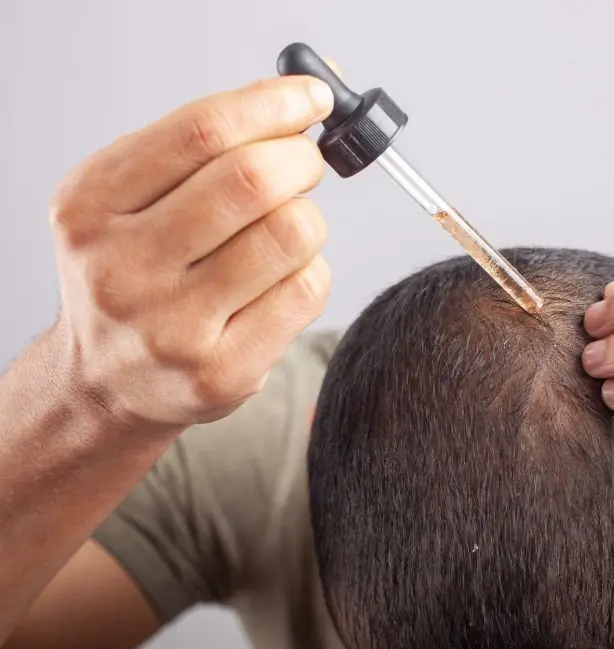
- Topical therapies: Applied to the scalp to stimulate hair growth, reduce inflammation, and improve scalp health.
- Oral medications: Prescribed to address hormonal influences, nutritional deficiencies, or specific types of hair loss. Treatments are chosen after evaluating age, gender, medical history, and hair loss type.
Advanced In-Clinic Treatments
- PRP therapy: Platelet-rich plasma from your own blood is injected into the scalp to support follicle activity.
- Growth factor-based treatments: Certain formulations may be used to nourish hair follicles.
- Low-level laser therapy: Stimulates hair follicles and can complement other treatments.
These treatments are combined with medical therapy and supportive care to enhance results.
Addressing Root Causes
- Nutritional correction with diet changes and targeted supplements based on blood tests
- Hormonal management for conditions like thyroid disease or PCOS
- Treatment of scalp conditions such as dandruff, dermatitis, fungal infections, or psoriasis
Personalized and Evidence-Based Care
Hair fall is not a single disease but a symptom with many possible causes. Genetics, hormones, nutrition, stress, and scalp conditions all affect hair differently. Simply addressing visible hair fall without targeting the cause can lead to temporary or incomplete results.
At DermaVue, dermatologists combine detailed clinical evaluation with diagnostic tests to determine the exact factors affecting your hair. This approach allows for treatment plans that are medically sound, realistic, and tailored to individual needs, ensuring long-term improvement in hair growth, density, and scalp health.