Beyond Shampoos — Medical Scalp Therapy

Dandruff Treatment in Thiruvalla
Expert Scalp Care & Seborrheic Dermatitis Solutions

Dandruff not responding to shampoos? It may be seborrheic dermatitis — a medical condition. DermaVue offers lasting scalp solutions beyond OTC treatments.
3,221 Reviews Google 4.8★ MD DVL Specialists Board-Certified US-FDA Approved Equipment IADVL Registered Dermatologists Hospital-Standard Sterile OT
4.8★ Google Rating 3,221+ Patient Reviews 🏥 7 Clinics Across South India 👨‍⚕️ MD DVL Board-Certified 🔬 US-FDA Approved Equipment 📍 Opposite Indian Overseas Bank, Thukalassery
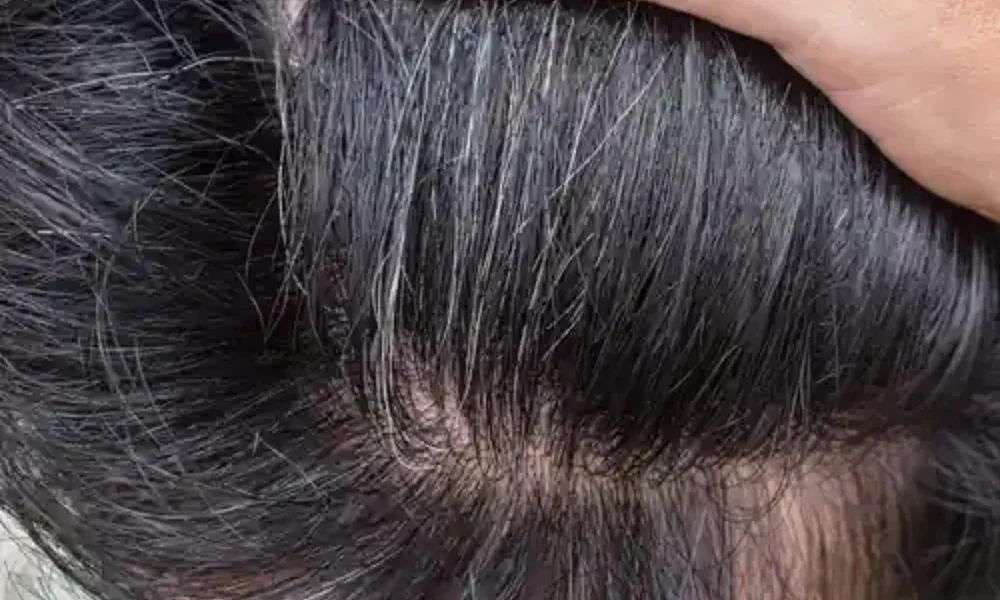
Dandruff seborrheic dermatitis scalp treatment in Thiruvalla — DermaVue expert scalp care Kerala

Understanding Seborrheic Dermatitis: Malassezia Biology & Proper Medical Therapy

Quick Answer

Medical dandruff treatment in Thiruvalla/Tiruvalla targets Malassezia globosa and Malassezia restricta — the two lipophilic yeast species most associated with seborrheic dermatitis — with prescription ketoconazole 2% or ciclopirox olamine 1% shampoo (3–5 minute contact time, 2–3 times weekly), selenium sulphide 2.5%, zinc pyrithione, and topical calcineurin inhibitors (pimecrolimus, tacrolimus) for facial involvement. Recalcitrant disease is managed with oral itraconazole 200 mg daily pulse therapy. Differential includes scalp psoriasis, tinea capitis, and contact dermatitis.

DermaVue Clinical Summary — Seborrheic Dermatitis

Seborrheic dermatitis is a chronic relapsing inflammatory dermatosis of sebaceous-rich areas driven by an abnormal host response to commensal lipophilic yeasts of the genus Malassezia. Historical texts attributed the condition to Malassezia furfur, but modern molecular speciation has identified Malassezia globosa and Malassezia restricta as the dominant species on affected scalps — a speciation update reflected in the current IADVL and European S3 dandruff guidelines (Gaitanis et al., Clinical Microbiology Reviews 2012). These lipid-dependent yeasts hydrolyse sebum triglycerides to produce irritant free fatty acids and lipoperoxides, triggering the scaling, erythema and pruritus seen clinically.

Clinical presentations at DermaVue Thiruvalla span simple pityriasis capitis (non-inflammatory scalp flaking), classic scalp seborrheic dermatitis with erythema and greasy yellow scale, facial seborrheic dermatitis involving eyebrows, nasolabial folds, and retroauricular areas, infantile seborrheic dermatitis (cradle cap), and Malassezia folliculitis of the trunk (often misdiagnosed as acne). Important associations include Parkinson's disease, HIV infection (where disease is unusually severe and extensive), and immunosuppression — conditions screened for when clinically indicated. Differential diagnosis is critical: scalp psoriasis, tinea capitis, contact dermatitis, and atopic dermatitis can all mimic seborrheic dermatitis and have entirely different treatments.

First-line treatment follows the AAD and IADVL consensus (Naldi & Rebora, NEJM 2009; Dall'Oglio et al., JEADV 2022): ketoconazole 2% shampoo or ciclopirox olamine 1% shampoo used 2–3 times weekly with a minimum 3–5 minute scalp contact time before rinsing — compliance with contact time is the most common reason for "shampoo failure". Adjunctive options include zinc pyrithione 1–2% shampoo, selenium sulphide 2.5% lotion/shampoo, salicylic acid-coal tar shampoos for thick scale, and topical corticosteroid solutions (clobetasol, betamethasone) for inflamed flares — used short-course only. Topical calcineurin inhibitors (pimecrolimus 1% cream, tacrolimus 0.1% ointment) are preferred for facial involvement to avoid steroid-induced rosacea and telangiectasia. For severe or recalcitrant disease, oral itraconazole 200 mg daily for 7 days followed by pulse maintenance is an evidence-supported option (Kose et al., Mycoses 2005). Sources: IADVL, IJDVL, AAD, NEJM, PubMed, NIH MedlinePlus.

Dandruff and seborrheic dermatitis are driven by an abnormal host response to commensal Malassezia yeasts — principally M. globosa and M. restricta — that hydrolyse sebum into irritant free fatty acids. Sustained year-round scalp humidity, sebum-rich Kerala hair oils applied liberally to an already affected scalp, and helmet-related occlusion together amplify disease. When dandruff spreads beyond the hairline to eyebrows, nasolabial folds, retroauricular area or beard, it has become seborrheic dermatitis — a medical condition requiring more than cosmetic shampoo.

  • Simple dandruff (pityriasis capitis) — scalp flaking only
  • Seborrheic dermatitis — scalp, face, eyebrows, nasolabial folds, chest
  • Dandruff with hair fall — Malassezia-induced follicular inflammation
  • Scalp psoriasis — can mimic severe dandruff
  • Cradle cap (infantile seborrheic dermatitis)

Understanding Seborrheic Dermatitis & Dandruff

Medical Dandruff Treatments at DermaVue Thiruvalla

When standard anti-dandruff shampoos fail, prescription-strength treatments and scalp procedures deliver lasting results. We match treatment to your scalp condition and severity.

  • Prescription antifungal shampoos: ketoconazole 2%, selenium sulphide, ciclopirox
  • Topical corticosteroid solutions and sprays for scalp inflammation
  • Medicated scalp serums and lightweight lotions
  • Scalp peeling with salicylic acid and lactic acid to remove scale
  • Oral antifungals for severe or recalcitrant seborrheic dermatitis
  • PRP or GFC therapy for dandruff-induced hair loss
  • Seborrheic dermatitis face management

Ready to Book Your Dandruff Treatment in Thiruvalla?

DermaVue Thiruvalla — Iykara Peniel Tower, Opposite Indian Overseas Bank, Thukalassery. Mon–Sat 9 AM–7 PM, Sun 10 AM–6 PM.

WhatsApp Us 📞 +91 80860 00608

Comprehensive Scalp Treatment for Dandruff

Frequently Asked Questions

Historical dermatology texts attributed dandruff and seborrheic dermatitis to Malassezia furfur, but modern molecular speciation has demonstrated that Malassezia globosa and Malassezia restricta are the dominant species on affected scalps (Gaitanis et al., Clinical Microbiology Reviews 2012; Gemmer et al., J Clin Microbiol 2002). M. furfur is more commonly associated with pityriasis versicolor of the trunk. This speciation update informs modern treatment selection, though most antifungal shampoos cover the full Malassezia genus.
The single most common reason is inadequate scalp contact time. Ketoconazole 2%, ciclopirox olamine 1%, selenium sulphide 2.5% and zinc pyrithione shampoos require a minimum 3–5 minute contact period on the scalp before rinsing to deliver fungicidal concentrations — a step most patients skip. Other reasons include underdosing frequency (once a week rather than 2–3 times weekly), wrong diagnosis (scalp psoriasis, tinea capitis, or atopic dermatitis misidentified as dandruff), and recurrent reinfestation from untreated facial seborrheic dermatitis.
Apply the shampoo to a thoroughly wetted scalp, massage gently to a lather focusing on affected areas, and LEAVE ON the scalp for 3–5 minutes before rinsing thoroughly. Use 2–3 times per week during active disease, tapering to weekly maintenance once controlled. Rotate active ingredients (ketoconazole, ciclopirox, selenium sulphide, zinc pyrithione) every 2–3 months to reduce resistance risk. DermaVue Thiruvalla provides written instructions at every consultation.
Severe chronic untreated seborrheic dermatitis with Malassezia folliculitis produces significant peri-follicular inflammation and has been associated with increased telogen shedding and accelerated progression of underlying androgenetic alopecia. Early adequate antifungal scalp therapy resolves the inflammatory component and halts related shedding. At DermaVue Thiruvalla we routinely combine dandruff and hair loss evaluation using trichoscopy.
Applying coconut, mustard or other vegetable oils to an active seborrheic dermatitis scalp provides additional sebum substrate for Malassezia lipid metabolism, often worsening flaking and inflammation. Traditional oil massage is not recommended during active disease. Once dandruff is controlled, occasional oil application may resume, ideally with shampoo washout within a few hours rather than overnight application.
Yes — all three commonly mimic seborrheic dermatitis and have different treatments. Scalp psoriasis produces thick, well-demarcated silvery plaques extending beyond the hairline and does not respond to antifungal shampoos. Tinea capitis (dermatophyte scalp infection) is common in children and may cause patchy hair loss with scaling. Atopic dermatitis of the scalp produces intensely itchy flexural-type eczema. DermaVue uses trichoscopy and KOH mount where indicated to differentiate.
Yes. Seborrheic dermatitis is significantly more prevalent and more severe in Parkinson's disease (related to sebum dysregulation) and in HIV-infected patients — where it is often extensive, inflamed, and treatment-resistant. In unusually severe or refractory cases, particularly in young adult men without obvious risk factors, DermaVue Thiruvalla discusses the rationale for HIV screening with the patient per UN/WHO and ICMR guidance.
Mild pityriasis capitis responds within 2–4 weeks of prescription antifungal shampoo used correctly. Classic scalp seborrheic dermatitis typically requires 4–8 weeks of intensive therapy plus long-term maintenance (weekly or fortnightly shampoo) to prevent recurrence. Recalcitrant or widespread disease may require an oral itraconazole pulse course. Seborrheic dermatitis is a lifelong relapsing condition; control, not permanent cure, is the realistic treatment goal.
Yes — potent topical corticosteroid lotions, solutions or foams (clobetasol, betamethasone, fluticasone) are used short-course for inflammatory flares. They should not be used as monotherapy or chronically, as this causes steroid-induced rosacea, skin atrophy, and rebound worsening. Topical calcineurin inhibitors (pimecrolimus, tacrolimus) are preferred for facial involvement (eyebrows, nasolabial folds, beard) to avoid facial steroid complications.
Yes. Psychological stress is one of the most consistently documented triggers of seborrheic dermatitis flares, likely via HPA-axis activation, altered sebum composition, and cutaneous immune modulation. Work stress, sleep deprivation, and major life events commonly precede clinical flares. DermaVue provides individualised lifestyle counselling alongside pharmacological treatment.
Infantile seborrheic dermatitis (cradle cap) is the paediatric equivalent, presenting as greasy yellow scaly plaques on the vertex of the scalp in the first 3 months of life. It is generally self-limiting, responds to gentle emollient massage and mild shampoo, and typically resolves by 6–12 months without medicated antifungal therapy in most cases. Severe or recalcitrant cradle cap responds to mild ketoconazole 2% shampoo used judiciously.
Consultation: ₹300. Prescription antifungal shampoo (ketoconazole 2%, ciclopirox olamine 1%): ₹250–500 per bottle. Topical calcineurin inhibitor or steroid lotion: ₹400–800. Oral itraconazole course (when indicated): approximately ₹600 plus LFT monitoring. Transparent billing; no hidden add-ons.
Approximately 12 km from Pathanamthitta town, 22 km from Adoor, 15 km from Chengannur, 18 km from Kozhencherry and Changanassery, 25 km from Ranni via the MC Road and Pathanamthitta–Thiruvalla road.

Book Your Consultation at DermaVue Thiruvalla

Board-certified dermatologists. Hospital-standard OT. US-FDA approved equipment. Physician-led care — not technician-run.

WhatsApp +91 80860 00608
📍 Iykara Peniel Tower, Opposite Indian Overseas Bank, Thukalassery, Thiruvalla 689101 🕘 Mon–Sat 9 AM–7 PM | Sun 10 AM–6 PM Get Directions →
Patient Stories

What Our Patients Say

Real experiences from patients across our 7 clinics.

4.8
★★★★★

Google Reviews · 7,200+ verified reviews

★★★★★

Visited this clinic for my skin concerns, and I'm extremely satisfied with the treatment. The doctor is knowledgeable and patient.

N
Naif
Thiruvananthapuram
★★★★★

The skin treatment at DermaVue was excellent. The consultation was detailed, and the treatment plan was explained thoroughly.

A
Aswathy S.
Kochi
★★★★★

Best dermatology clinic I've been to. The facilities are world-class and the results from my laser treatment exceeded expectations.

R
Ravi K.
Thiruvalla
Our Clinics

Visit Us at Any of Our 7 Clinics

Internationally certified dermatology care across Kerala and Tamil Nadu.

TC 42, 3003-2, Poojappura Main Rd, Kesari Nagar, Poojapura, Chengalloor, Thiruvananthapuram, Kerala 695012
Mon-Sat 9 AM – 7 PM · Sun 10 AM – 6 PM
📍

Kollam

1st Floor, Vellayittambalam, UMK Arcade, P.O, above HDFC bank, Kavanad, Kollam, Kerala 691003
Mon-Sat 9 AM – 7 PM · Sun 10 AM – 6 PM
📍

Thiruvalla

Iykara Peniel Tower, Opposite Indian Overseas Bank, Thukalassery, Thiruvalla, Kerala 689101
Mon-Sat 9 AM – 7 PM · Sun 10 AM – 6 PM
📍

Kottayam

101, Same as KFC Building, Second Floor, Zion Towers, Junction, SH 1, Thellakom, Kottayam, Kerala 686562
Mon-Sat 9 AM – 7 PM · Sun 10 AM – 6 PM
Metro Rail Pillar No :57, Tamarind Rajadhani Building Near Pulinchodu NH-47, Aluva, Kerala 683101
Mon-Sat 9 AM – 7 PM · Sun 10 AM – 6 PM
📍

Thrissur

Ardra Arcade, opposite Akshaya Hotel, Jai Nagar, Jyothi Nagar, Punkunnam, Thrissur, Kerala 680002
Mon-Sat 9 AM – 7 PM · Sun 10 AM – 6 PM
📍

Coimbatore

460, Ponnaiyan St, Cross Cut Rd, Ram Nagar, Gandhipuram, Coimbatore, Tamil Nadu 641009
Mon-Sat 9 AM – 9 PM
Book Your Visit

Schedule a Consultation

Board-certified dermatologists across 7 clinics in Kerala & Tamil Nadu.

🔒 Your information is private and secure