KOH Microscopy Diagnosis
confirmed identification before any prescription
Empirical terbinafine is no longer the default. India's T. indotineae outbreak shows 70% terbinafine resistance (Verma 2021 PMID 34245620); we lead with itraconazole 200 mg/day for 4-8 weeks, escalating to itraconazole 400 mg/day for refractory cases. KOH mount, fungal culture, and antifungal-sensitivity testing run before therapy. Topical luliconazole 1% or terbinafine 1% as adjunct.
Verma S et al (J Eur Acad Dermatol Venereol 2021, PMID 34245620) documented 70% terbinafine resistance among Trichophyton indotineae isolates across multiple Indian centres. The IADVL Dermatophytosis Consensus 2021 responded by moving itraconazole 200 mg/day to first-line for widespread or recurrent disease, with terbinafine reserved for culture-confirmed sensitivity. Kollam practice adds KOH + culture + sensitivity testing at presentation rather than empirical therapy. Counselling on compliance (4-8 week course completion, hot-water laundry of linens, no shared towels, treating household contacts) is central.
DermaVue Kollam is a dermatologist-owned dermatology clinic providing KOH-confirmed fungal infection and ringworm treatment under board-certified MD DVL dermatologists. IADVL has documented rising terbinafine resistance in Trichophyton indotineae across India, which is why DermaVue diagnoses every case with KOH microscopy before prescribing molecule-specific antifungal therapy. The Kavanad clinic is rated 4.9 stars across 370+ verified Google reviews and follows monsoon-adapted protocols that extend treatment 2 weeks past visible clearing to prevent recurrence.
confirmed identification before any prescription
luliconazole, terbinafine and ciclopirox as molecule-specific options
itraconazole or terbinafine with liver function monitoring
body ringworm protocols adapted for tropical humidity
groin and inner thigh fungal infection management
foot and nail infection with extended-duration therapy
white or brown patch clearance with maintenance plan
household screening and ping-pong reinfection prevention
topical-only protocols when oral therapy is contraindicated
coordinated metabolic and dermatological management
Board-certified dermatologists walk through the clinical approach — watch before your first visit.


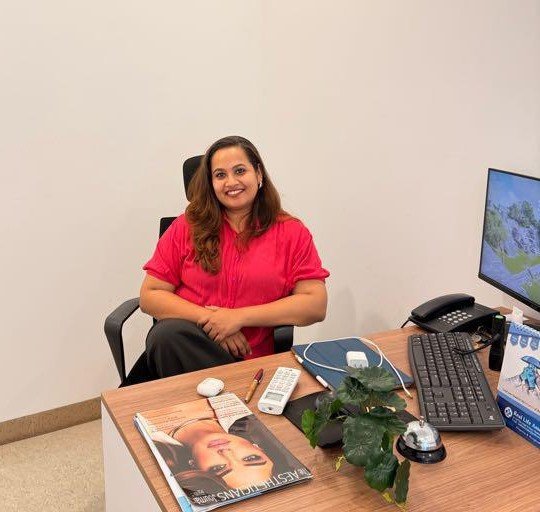
Dr Jayalekshmi J and Dr Arunima A both hold the MD DVL postgraduate qualification and own every file together. Continuity of care is the default, not a tagline.

Dermatology, Cosmetology, Medical Dermatology
Dermatology, Dermatosurgery, Lasers & Aesthetic Procedures
Direct line to the team WhatsApp +91 80868 60465 →
Kollam's June to October monsoon pushes humidity above 80 percent, creating ideal conditions for dermatophyte regrowth. Recurrence happens when treatment stops at symptom resolution instead of confirmed microscopic clearance. Our monsoon protocol extends treatment 2 weeks beyond visible clearing and includes follow-up KOH testing to confirm the fungus is fully eliminated.
Skin ringworm typically clears in 3 to 4 weeks with consistent prescription antifungal use. In Kollam's humidity, our dermatologists often extend treatment to 4 to 6 weeks to ensure complete eradication. Nail infections require 3 to 6 months. Completing the full course prevents the 20 to 30 percent recurrence rate seen with early stopping.
Luliconazole 1 percent cream is currently among the most effective topical options, requiring only once-daily application and showing efficacy against some resistant strains. However, the correct cream depends on the specific fungal species causing your infection, which KOH testing at DermaVue Kollam identifies before prescription.
Yes. Dermatophyte infections spread through direct skin contact and shared items such as towels, clothing, combs and bedding. Dr. Jayalekshmi J recommends screening household members when one person is diagnosed and treating simultaneously to prevent ping-pong reinfection within the family.
Two common reasons. First, many pharmacy-dispensed creams combine an antifungal with a steroid. The steroid suppresses visible symptoms while the infection persists underneath. Second, India is experiencing a rise in terbinafine-resistant Trichophyton indotineae strains. Dermatologist diagnosis with KOH testing at DermaVue Kollam identifies the actual problem.
Despite the name, ringworm is caused by fungi called dermatophytes, not by any worm. The ring describes the characteristic circular rash pattern. Medical names include tinea corporis for the body, tinea cruris for the groin and tinea pedis for the feet. KOH microscopy at DermaVue confirms the diagnosis.
Oral antifungals like itraconazole and terbinafine are well-studied and safe for most patients when prescribed at appropriate doses with monitoring. Our dermatologists at DermaVue Kollam check liver function before and during treatment. Patients with pre-existing liver conditions receive modified protocols.
Ringworm produces circular patches with raised scaly borders and relatively clear centres. Eczema appears as irregular intensely itchy patches without a ring pattern. Dermoscopy examination at DermaVue Kollam provides definitive differentiation, which matters because treating one as the other worsens the condition.
Public beaches and swimming areas can harbour dermatophytes, especially in warm humid conditions. Risk increases when skin stays wet for extended periods after swimming. Thorough drying and antifungal powder application post-swim significantly reduce this risk.
Dermatologist consultation at DermaVue Kollam costs Rs.300, including clinical examination and KOH microscopy when indicated. Prescription medications are additional, based on your specific infection type and severity. Most uncomplicated fungal infections resolve within one treatment course.
Certain oral antifungals require avoidance during pregnancy. Dr. Jayalekshmi J at DermaVue Kollam prescribes pregnancy-safe topical alternatives that effectively manage fungal infections without systemic exposure. Always inform your dermatologist if you are pregnant or planning pregnancy.
Yes. Elevated blood sugar creates a favourable environment for fungal growth, and diabetes impairs the immune response needed to fight infection. Patients with diabetes often experience more severe, recurring and treatment-resistant fungal infections. Our dermatologists coordinate with your dermatologist to address the metabolic factor alongside the skin condition.
₹300 consultation · same-day slots available · Kavanad clinic open Mon–Sat 10 AM – 7 PM, Sun closed.