GFC (Growth Factor Concentrate)
patented gel-system filtration isolating PDGF, IGF-1, TGF-beta and VEGF; eliminates pro-inflammatory cells
Growth-Factor Concentrate (GFC) and Platelet-Rich Plasma (PRP) prepared from autologous blood, injected at 0.05-0.1 mL per intradermal point across the affected scalp zone. 6-session standard course at 4-week intervals, then 3-monthly maintenance. Works best alongside topical minoxidil 5% and corrected ferritin / vitamin D status.
The IADVL Trichology Consensus 2018 + Cervantes et al systematic review (J Cosmet Dermatol 2018) on PRP for AGA both call for combination therapy: PRP alone improves density modestly, but combined with topical minoxidil and oral finasteride (in men) or spironolactone (in women) the response is significantly larger. Kollam practice adds two routine layers many cosmetic clinics skip: a pre-treatment labs panel (the ferritin-vitamin-D-thyroid axis blunts PRP response in 30-40% of presenting cases), and an autologous-prep protocol (double-spin centrifugation, leukocyte-poor PRP) standardised across sessions. Every kit is opened in-room, every centrifuge run is visible to the patient, and the session is dermatologist-injected.
DermaVue Kollam provides GFC and PRP hair restoration treatments performed by trichoscopy-trained, board-certified MD DVL dermatologists using medical-grade centrifuge and patented gel-system filtration. A 2026 comparative study published on PubMed demonstrated GFC superiority over conventional PRP in hair count, shaft diameter and patient satisfaction. The Kollam clinic is rated 4.9 stars across 370+ Google reviews and operates as part of the seven-clinic DermaVue network across Kerala and Tamil Nadu. Kollam coastal groundwater TDS reaches up to 2,250 mg/L (over 4x the WHO guideline), contributing to scalp mineral buildup that responds well to combined GFC and PRP therapy alongside lifestyle modification.
patented gel-system filtration isolating PDGF, IGF-1, TGF-beta and VEGF; eliminates pro-inflammatory cells
standard centrifuge separation for early-stage hair loss and cost-effective maintenance
10-70x digital imaging to evaluate follicle viability and miniaturisation pattern before any treatment
Month 2, 4 and 6 protocol after FUE to optimise graft survival
GFC plus topical minoxidil for Grade A synergy via vasodilation-enhanced growth factor delivery
accelerated recovery of disrupted hair growth cycles
hormonal hair shedding restoration using autologous growth factors
non-surgical density improvement for hormonal thinning
early intervention preserving existing follicles in Norwood II to IV patterns
TSH, ferritin and vitamin D correction alongside GFC for Kerala dietary patterns
Board-certified dermatologists walk through the clinical approach — watch before your first visit.


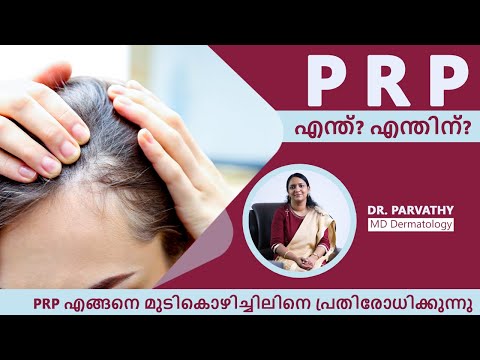
Dr Jayalekshmi J and Dr Arunima A both hold the MD DVL postgraduate qualification and own every file together. Continuity of care is the default, not a tagline.

Dermatology, Cosmetology, Medical Dermatology
Dermatology, Dermatosurgery, Lasers & Aesthetic Procedures
Direct line to the team WhatsApp +91 80868 60465 →
Cost varies based on the treatment type (GFC is higher than PRP per session) and number of sessions required. Initial PRP sessions typically start from Rs.3,000-5,000 each. GFC costs more due to advanced processing. Dr. Arunima A provides exact pricing during the Rs.300 consultation.
A 2026 clinical study found GFC produced superior results in hair count and shaft diameter, with 3-10x higher growth factor concentration than PRP. GFC works faster and shows results in fewer sessions. PRP remains effective and more affordable for maintenance. Many patients benefit from starting with GFC and transitioning to PRP.
Most patients need 3-4 initial sessions spaced 4-6 weeks apart. Visible reduction in hair fall begins after 1-2 sessions. Measurable density improvement appears by month 3-4 on trichoscopic imaging. Maintenance sessions every 6-12 months sustain results long-term.
Topical numbing cream is applied before micro-injections. Most patients describe mild pressure during the procedure, not significant pain. The entire session takes 30-45 minutes. No downtime follows. You can return to work immediately.
PRP and GFC work by reactivating dormant follicles, not creating new ones. Areas where follicles have been absent for years have limited response. Dr. Arunima A uses trichoscopic assessment to evaluate follicle viability and give honest expectations. Hair transplant may be recommended for completely bald zones.
Coastal groundwater in Kollam has documented TDS levels up to 2,250 mg/L, over 4x the WHO guideline. The calcium and magnesium deposits disrupt the hair cuticle, increase breakage, and cause scalp dryness. A water filter, chelating shampoo, and GFC or PRP treatment together address this cascading damage.
Kollam extended monsoon (June to late October) causes a synchronised telogen effluvium where hair follicles shift to the shedding phase under seasonal stress. Complaints peak 6-8 weeks after monsoon, typically September through November. PRP timed in August or September can mitigate this seasonal pattern.
Results from an initial treatment course last 12-18 months. Maintenance sessions every 6-12 months sustain hair density gains. Without maintenance, hair loss may gradually resume as the underlying cause (genetics, environment) continues to affect untreated follicles.
PRP uses your own blood, so allergic reactions are virtually nonexistent. Mild scalp tenderness, slight swelling, or minor bruising at injection sites may occur and typically resolve within 24-48 hours. Infection risk is minimal with sterile technique.
Yes. Combination therapy often produces better results than any single treatment alone. PRP or GFC stimulates follicles, while minoxidil improves blood supply and finasteride blocks DHT. Your dermatologist designs a personalised protocol based on your hair loss pattern and severity.
₹300 consultation · same-day slots available · Kavanad clinic open Mon–Sat 10 AM – 7 PM, Sun closed.