Q-Switched Nd:YAG 1064nm
gold-standard wavelength for black and dark blue ink on dark Indian skin
Q-switched Nd:YAG 1064 nm for black ink and 532 nm for red/orange/yellow, 6-8 week intervals, 6-12 sessions for clearance. Picosecond laser (PicoSure / PicoWay) for resistant ink and accelerated clearance. Fitzpatrick V-VI fluence cut 20-30% vs European protocols to avoid post-treatment hypopigmentation. Pre-session photo, post-session ointment, photoprotection enforced.
Q-switched Nd:YAG at 1064 nm penetrates to 4-6 mm and fragments dark-pigment chromophores via photoacoustic effect, with melanin absorption higher in Fitzpatrick V-VI than in lighter European skin. The ASLMS tattoo-removal standards and Kirby W et al (Aesthet Surg J 2019) on tattoo removal in skin of colour call for reduced fluence (20-30% below European default) and extended 6-8 week interval spacing to prevent post-treatment hypopigmentation. Picosecond technology (PicoSure / PicoWay) cuts session count by 30-50% for resistant ink and is the modality of choice for green/blue/teal pigments. Our Kollam protocol pre-tests on a 1 cm² patch before full-tattoo treatment.
DermaVue Kollam is a dermatologist-owned dermatology clinic offering Q-Switched Nd:YAG laser tattoo removal performed by board-certified MD DVL dermatologists. The clinic is rated 4.9 stars from 370+ patient reviews and serves Kollam district from Kavanad. Clinical studies on Indian skin types demonstrate 82-91 percent excellent clearance of black tattoos after six sessions at optimal fluence, with the 1064nm wavelength confirmed as the safest modality for Fitzpatrick IV-V patients. Dr. Arunima A uses the Kirby-Desai scoring system to predict session requirements based on skin type, ink colour, tattoo age, location and layering, ensuring honest expectations from the first consultation.
gold-standard wavelength for black and dark blue ink on dark Indian skin
for red, orange and warm-colour ink
sequential passes per session within safe fluence limits for faster clearance on responsive ink
2-3 sessions to fade existing tattoos by 60-80 percent for artist cover-up work
eyebrow microblading and lip-liner pigment removal with test-spot verification
validated session-count prediction based on skin type, colour, age, location and layering
depigmenting protocol for high-PIH-risk skin before laser sessions
humid-climate wound care for the June-October period
small treatment patch before full-tattoo sessions to confirm ink response and skin tolerance
numbing cream 30 minutes pre-session plus contact cooling during treatment
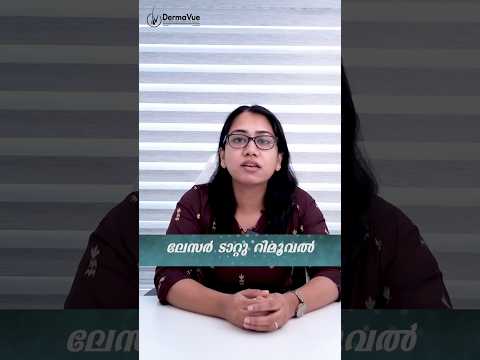
Board-certified dermatologists walk through the clinical approach — watch before your first visit.


Dr Jayalekshmi J and Dr Arunima A both hold the MD DVL postgraduate qualification and own every file together. Continuity of care is the default, not a tagline.
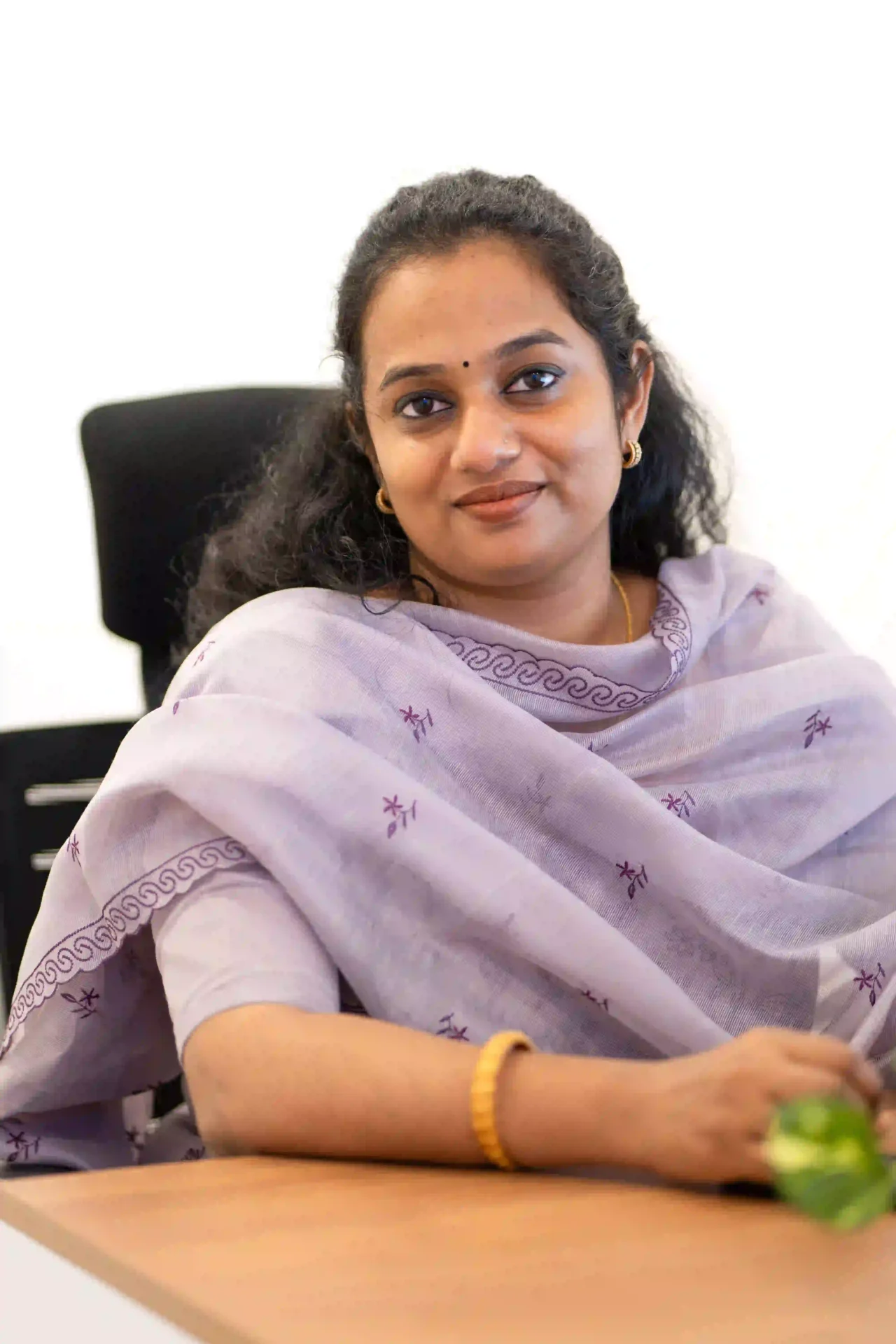
Dermatology, Cosmetology, Medical Dermatology
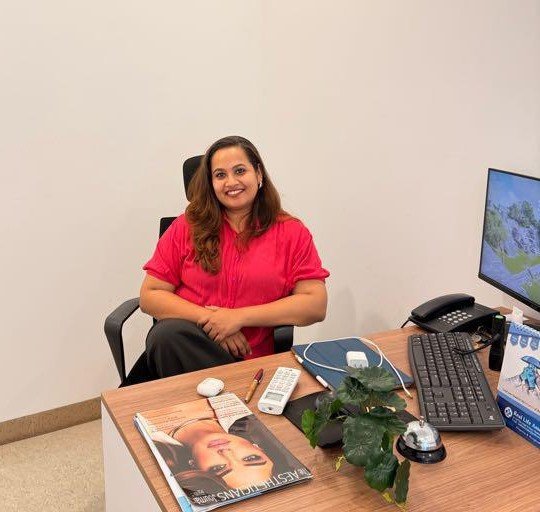
Dermatology, Dermatosurgery, Lasers & Aesthetic Procedures
Direct line to the team WhatsApp +91 80868 60465 →
Cost depends on tattoo size, colours, and complexity. Smaller single-colour tattoos cost less per session than large multicoloured pieces. DermaVue Kollam provides transparent cost estimates during your Rs.300 consultation after assessing your specific tattoo with the Kirby-Desai scale.
Black ink responds best to Q-Switched Nd:YAG laser. Most patients achieve excellent clearance in 6-8 sessions spaced 6-8 weeks apart. A Gujarat clinical study documented 81.9 percent excellent response after 6 sessions at optimal fluence settings on Indian skin types.
Most patients compare the sensation to a rubber band snapping against skin, similar to getting the tattoo itself. DermaVue applies topical numbing cream 20-30 minutes before treatment. Advanced cooling during the session further reduces discomfort.
Black and dark blue respond excellently. Red responds well with the 532nm wavelength. Green and yellow are more challenging and may require additional sessions. Dr. Arunima A will give honest expectations for each colour during consultation, since not every ink clears completely.
Yes, when performed by a qualified dermatologist in Kollam. The 1064nm Q-Switched Nd:YAG has the best documented safety profile for Fitzpatrick IV-V skin. Transient lightening (hypopigmentation) occurs in some patients but typically resolves within months. Dermatologist calibration is the key safety factor.
Yes. Cosmetic eyebrow tattoos and microblading can be treated with Q-Switched laser, though the iron oxide pigments used in some cosmetic tattoos may darken before they lighten. Your dermatologist performs a test spot first to confirm the ink responds as expected.
Expect mild swelling, redness, and tenderness for 2-3 days. A white frost may appear on the tattoo immediately after treatment. This is normal and fades within minutes. Blistering can occur occasionally and heals within 1-2 weeks with proper aftercare.
Six to eight weeks minimum. This allows your immune system to clear fragmented pigment and your skin to fully heal. Rushing between sessions increases scarring risk without improving ink clearance.
Yes. Treatment continues year-round at DermaVue Kollam. Monsoon actually reduces UV exposure risk. Patients often combine tattoo removal with laser hair removal in the same visit. Aftercare requires extra attention. Keep treated skin clean and dry, apply antiseptic ointment as directed, and avoid swimming pools or beach water for one week post-session.
When performed by a qualified dermatologist with proper technique, scarring risk is below 1 percent. The Q-Switched laser specifically avoids thermal damage to surrounding tissue. Pre-existing scarring within the tattoo itself cannot be removed by laser; only the ink is targeted.
Yes. Two to three sessions can fade a tattoo by 60-80 percent, making it much easier for a tattoo artist to cover. This is often more practical and economical than full removal. Discuss this goal with Dr. Arunima A during consultation.
₹300 consultation · same-day slots available · Kavanad clinic open Mon–Sat 10 AM – 7 PM, Sun closed.