Skip to main content Skip to main content
+91 90720 07733aluva@dermavue.comOpen All Days · Kochi · Mon–Sat 9–6:30 · Sun 11–5About our medical team →
§ 01 · Fungal Infection · Kochi

Fungal infection treatment in Kochi,
on the IADVL ITART / INTACT consensus, KOH-confirmed first.

KOH microscopy and culture-driven speciation, then itraconazole pulse 200 mg twice daily on a 1-week-on-3-weeks-off schedule for resistant dermatophytes, or terbinafine 250 mg daily for confirmed T. rubrum. Topical luliconazole or eberconazole as adjunct, never alone. Critical step zero: stop the over-the-counter topical steroid-antifungal combination that drives the chronic recurrent pattern.

4.8★ 1,450 reviews
MD DVL Board-certified
US-FDA Approved lasers
ITART / INTACT IADVL consensus 2022
100 m from Pulinchodu Metro · 15 min from Lulu Mall · 25 min from Kochi city centre
§ 02 · Quick Answer

Why fungal infections recur, and what stops the cycle.

India is the epicentre of the global terbinafine-resistant T. indotineae dermatophyte epidemic. Originating in the Indian subcontinent in the mid-2010s, T. indotineae now drives most chronic recalcitrant dermatophytosis in Indian practice, causing extensive inflammatory infection that resists standard terbinafine. DermaVue Kochi performs culture-based identification + sensitivity testing before prescribing, and uses itraconazole 200 mg/day for 1-12 weeks (extended to 12-24 weeks for chronic cases) as the evidence-supported alternative. Voriconazole for documented multi-azole-resistant cases. Indian dermatophytosis chronicity rate: 68%. Consultation ₹300.

§ 03 · The Protocol

Five phases. Same hands. From diagnosis to maintenance.

Every fungal case at our Kochi clinic starts at KOH microscopy, never at a prescription. The species, not the rash distribution, sets the drug. Steroid-antifungal combination creams are stopped on day one.

01

KOH microscopy + clinical exam

Skin scraping with KOH at consultation, confirms fungal etiology (positive in 60-80% of true dermatophytosis) but cannot distinguish species. Wood's lamp examination to characterise.

02

Fungal culture + sensitivity

Skin scraping plated on Sabouraud's dextrose agar, species identification at 1-3 weeks. Sensitivity testing for terbinafine + itraconazole + voriconazole + fluconazole MICs.

03

Pending culture: empirical bridge

Topical antifungal (luliconazole or sertaconazole or eberconazole) twice daily + mandatory steroid-cream discontinuation. Avoid empirical terbinafine in chronic/recurrent cases.

04

Targeted oral therapy

Per culture/sensitivity: terbinafine 250 mg/day (if susceptible) OR itraconazole 200 mg/day × 1-12 weeks (extended 12-24 weeks for chronic recalcitrant; higher 200 mg BID for widespread).

05

Multi-azole resistant escalation

Voriconazole oral (LFT monitoring, photosensitivity precautions). Patient + household contact tracing for re-infection prevention.

Swipe →
§ 04 · Why Kochi Fungal Infection Is Different

~70% terbinafine resistance in T. indotineae, plus 63% topical-steroid abuse in Kerala dermatophyte registries.

Kerala (and India broadly) is the epicentre of the global dermatophyte-resistance problem. T. indotineae, the species responsible for the chronic-recurrent tinea corporis the patient may have spent years on creams for, carries terbinafine resistance in approximately 70% of recent Indian isolates (Lancet Microbe 2025). A 2018 Government Medical College Kottayam study documented chronic dermatophytosis in 68% of consecutive patients and over-the-counter steroid-antifungal combination use in 63%. Sustained 85 to 95% relative humidity in Kochi compounds the problem with continuous skin maceration and re-infection from clothing and bathroom surfaces. The protocol here treats the organism (itraconazole pulse for indotineae, terbinafine for confirmed rubrum), stops the steroid-fixed-dose combination on day one, and runs the household-decontamination checklist for re-infection control.

  • ~70%terbinafine resistance in recent T. indotineae isolates from India (Lancet Microbe 2025)
  • 63%topical-steroid + antifungal combination misuse rate among Kerala chronic-tinea patients (GMC Kottayam, Vineetha 2018)
  • 68%chronic dermatophytosis rate in consecutive Kerala mycology outpatients (GMC Kottayam consecutive cohort)
Lancet Microbe 2025 T. indotineae resistance · Vineetha M GMC Kottayam 2018 · IADVL ITART INTACT consensus 2022
T. INDOTINEAE TERBINAFINE RESISTANCE
70%
of recent Indian isolates
0%
30 50 70 100
§ 05 · Clinical Summary

The published protocol, in plain English.

T. indotineae is the newly-recognised dermatophyte species, associated with genotype VIII of the T. mentagrophytes / interdigitale complex, that has become endemic in India and is the dominant cause of recalcitrant inflammatory dermatophytosis. Its hallmark: high-level terbinafine resistance driven by specific point mutations in the squalene epoxidase (SQLE) gene. Increasing concern: emerging reduced susceptibility to azole antifungals via CYP51B gene duplication, raising the spectre of multidrug-resistant strains.

The clinical picture is characteristic and alarming: extensive, inflammatory tinea corporis / cruris / faciei lesions, often steroid-misuse-modified (Indian over-the-counter clobetasol creams are the dominant precipitating factor), failing repeated terbinafine 250 mg/day courses, recurring within weeks of apparent clearance. India-specific scale: case numbers have increased dramatically over the past decade. Other countries (UK, Ontario, Europe, USA) now report imported cases from India and growing concern about global spread.

Evidence-supported treatment protocol at DermaVue Kochi:

1. Diagnosis: KOH microscopy (positive but cannot identify species); fungal culture (Sabouraud's agar) for species identification; molecular ITS sequencing where available for definitive T. indotineae confirmation.

2. First-line in confirmed/suspected T. indotineae: itraconazole 200 mg/day for 1-12 weeks, extended to 12-24 weeks for chronic recalcitrant cases. Higher doses (200 mg BID = 400 mg/day) in widespread involvement.

3. Second-line for multi-azole-resistant cases: voriconazole (higher cost, narrow therapeutic window, LFT monitoring).

4. Adjuncts: topical antifungal (luliconazole, sertaconazole, eberconazole, preferred for lower resistance development than ketoconazole) + steroid discontinuation (NON-NEGOTIABLE) + occlusion control + family-contact screening.

DermaVue Kochi practice: culture + sensitivity for any chronic/recurrent case before prescription; structured 8-12 week itraconazole course with monthly LFT; explicit patient education on steroid-cream avoidance; household contact screening built into the protocol.

§ 06 · Compare

What changes when a board-certified dermatologist runs the protocol.

RECOMMENDED DermaVue Kochi (MD DVL dermatologist)
ALTERNATIVE Generic clinic / parlour
Diagnostic workup
KOH + culture + sensitivity before prescription
Empirical terbinafine without diagnostics
T. indotineae awareness
Protocol assumes resistance until ruled out
Repeated terbinafine cycles despite failure
First-line for resistant cases
Itraconazole 200 mg/day × 1-12 weeks (extended 12-24 wk for chronic)
Often more terbinafine; rarely voriconazole when needed
Steroid-cream discontinuation
Non-negotiable patient education + alternative bridge
Often continued ('it helps the itch')
Household contact screening
Built into protocol, family treated to prevent re-infection
Index patient only
Cost
₹300 consult + ₹800-2,500 culture + ₹450-1,200/month itraconazole
Cheap upfront, expensive over repeated failed cycles
§ 07 · Transparent pricing

Each line item. No package inflation.

Pricing starts from ₹300 consultation. Final quote after your diagnostic visit.

Dermatology consultation From ₹300
KOH microscopy From ₹200-400
Fungal culture + sensitivity From ₹800-2,500
Molecular ITS sequencing (when available) From ₹2,500-5,000
Topical antifungal (monthly) From ₹400-1,200
Itraconazole 200 mg/day (1-month course) From ₹450-1,200
Voriconazole (2-week course) From ₹3,500-12,000
Monthly LFT during itraconazole From ₹400-800
All pricing starts from the amounts shown. Final treatment plan and cost confirmed after consultation. ₹300 covers the full diagnostic visit.
§ 08 · What's in the room

Eight modalities, sequenced per patient.

01

KOH Microscopy + Wood's Lamp

at-consultation diagnostic

02

Fungal Culture + Sensitivity

species ID + MIC for 4 azole agents

03

Molecular ITS Sequencing

definitive T. indotineae confirmation

04

Itraconazole Protocol

200 mg/day × 1-12 weeks (extended for chronic)

05

Voriconazole Therapy

multi-azole-resistant cases with LFT monitoring

06

Topical Antifungal Selection

luliconazole / sertaconazole / eberconazole (low-resistance alternatives)

07

Steroid-Cream Discontinuation Protocol

patient education + bridge therapy

08

Household Contact Screening + Treatment

prevent re-infection cycle

09

Onychomycosis Management

oral terbinafine pulse or itraconazole + nail care

10

Pityriasis Versicolor Management

topical ketoconazole + oral fluconazole pulse

§ 08b · Watch the protocol

Our dermatologists explain the protocol on camera.

Board-certified dermatologists walk through the clinical approach — watch before your first visit.

Fungal Infection Treatment at DermaVue Kochi
CLIP 01 Fungal Infection Treatment at DermaVue Kochi Dr. Minu Liz Mathew explains the T. indotineae resistance protocol.
Medical Dermatology, Fungal + Recurrent Conditions
CLIP 02 Medical Dermatology, Fungal + Recurrent Conditions How DermaVue handles chronic recalcitrant dermatophytosis with culture-guided therapy.
§ 09 · Patient case

Battled chronic tinea cruris for 18 months, three terbinafine courses, two cosmetologists, kept coming back. DermaVue did a culture + sensitivity FIRST and identified T. indotineae with terbinafine resistance. Itraconazole 200 mg for 12 weeks + my wife treated as contact + steroid cream stopped. Cleared completely; no recurrence at 9 months.

Joseph Mathew Vyttila · Kochi · DermaVue Kochi patient
§ 10 · Your dermatologists

Five names on every consultation note.

One physician owns your file from intake through the 12–18 month maintenance phase. Continuity of care isn't a tagline here, it's the default.

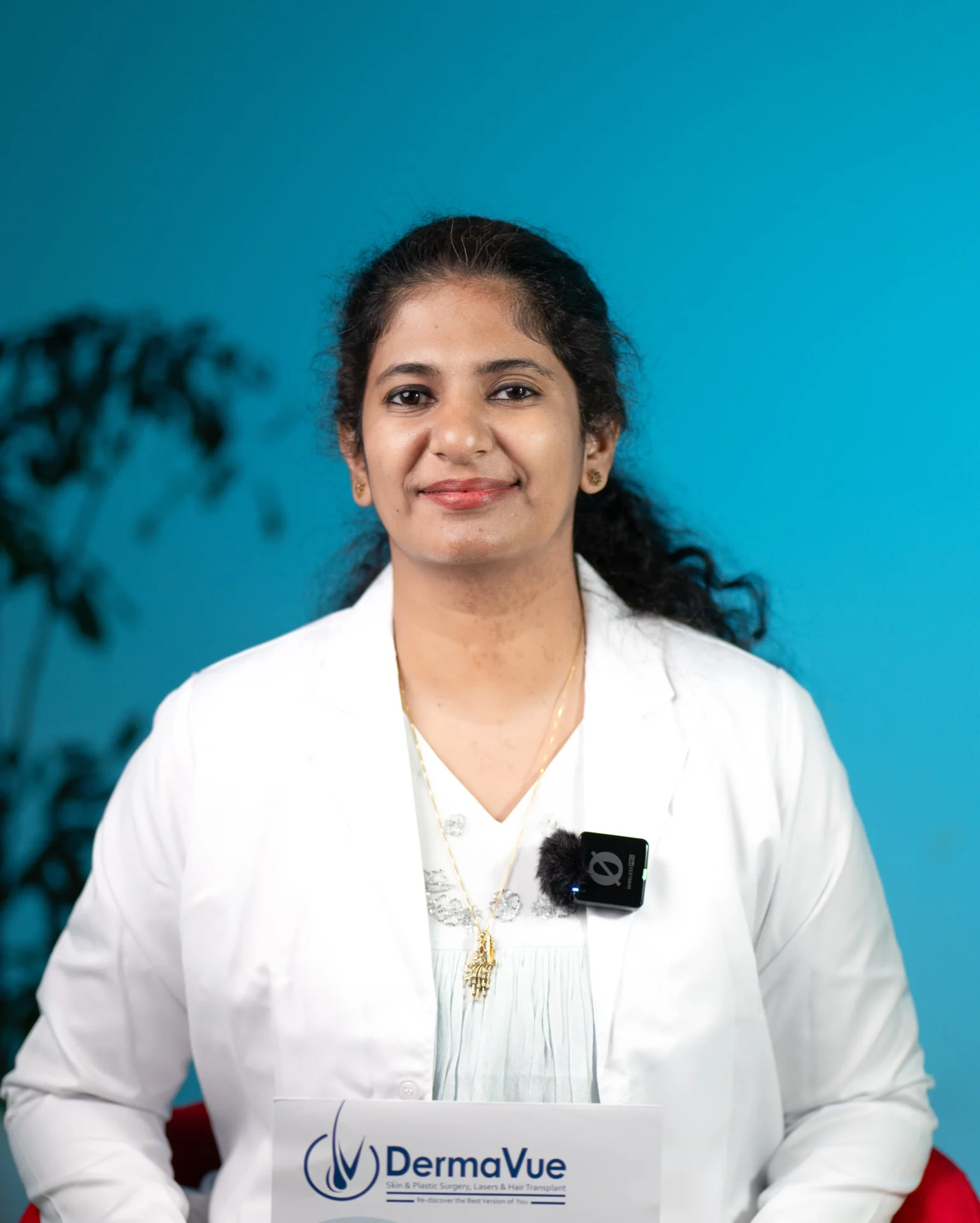
  1. Dr. Minu Liz Mathew, MBBS, MD DVL, Chief Dermatologist at DermaVue Kochi
    01

    Dr. Minu Liz Mathew, MBBS, MD DVL

    Chief Dermatologist

    Dermatology, Cosmetic Dermatology, Lasers & Aesthetic Medicine

    • IADVL
    • ACSI
    • IMA
    • 15+ years
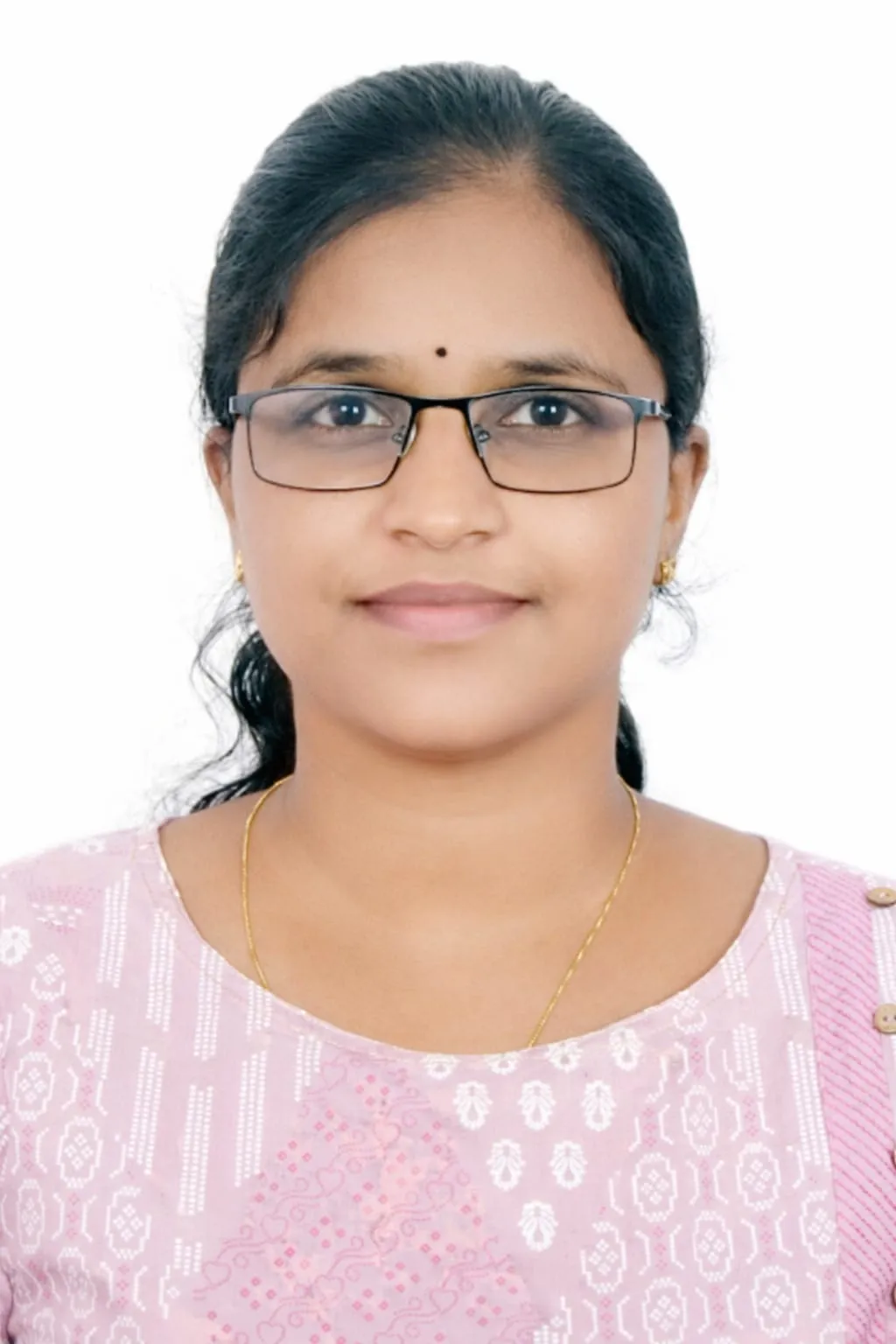
  2. Dr. Navya K G, MBBS, MD DVL, Consultant Dermatologist at DermaVue Kochi
    02

    Dr. Navya K G, MBBS, MD DVL

    Consultant Dermatologist

    Medical Dermatology, Cosmetic Procedures

    • IADVL
    • 9 yrs experience
  3. Dr. Arjun K, MBBS, DDVL, Consultant Dermatologist at DermaVue Kochi
    03

    Dr. Arjun K, MBBS, DDVL

    Consultant Dermatologist

    Venereology, Medical Dermatology

    • IADVL
    • 8 yrs experience
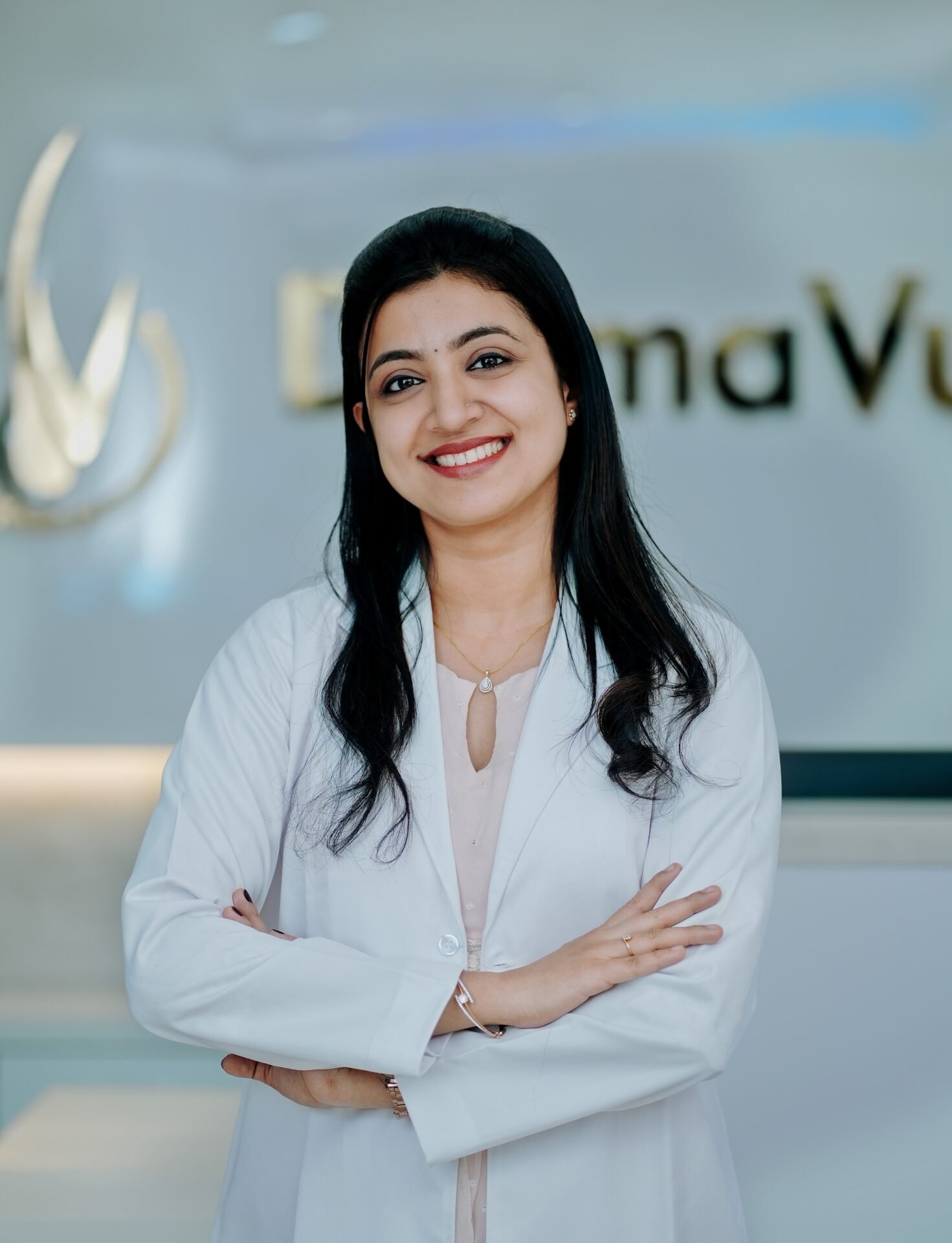
  4. Dr. Reshma J Neerackal, MBBS, MD DVL, Consultant Dermatologist at DermaVue Kochi
    04

    Dr. Reshma J Neerackal, MBBS, MD DVL

    Consultant Dermatologist

    Cosmetic Dermatology, Aesthetic Procedures

    • IADVL
    • 12 yrs experience
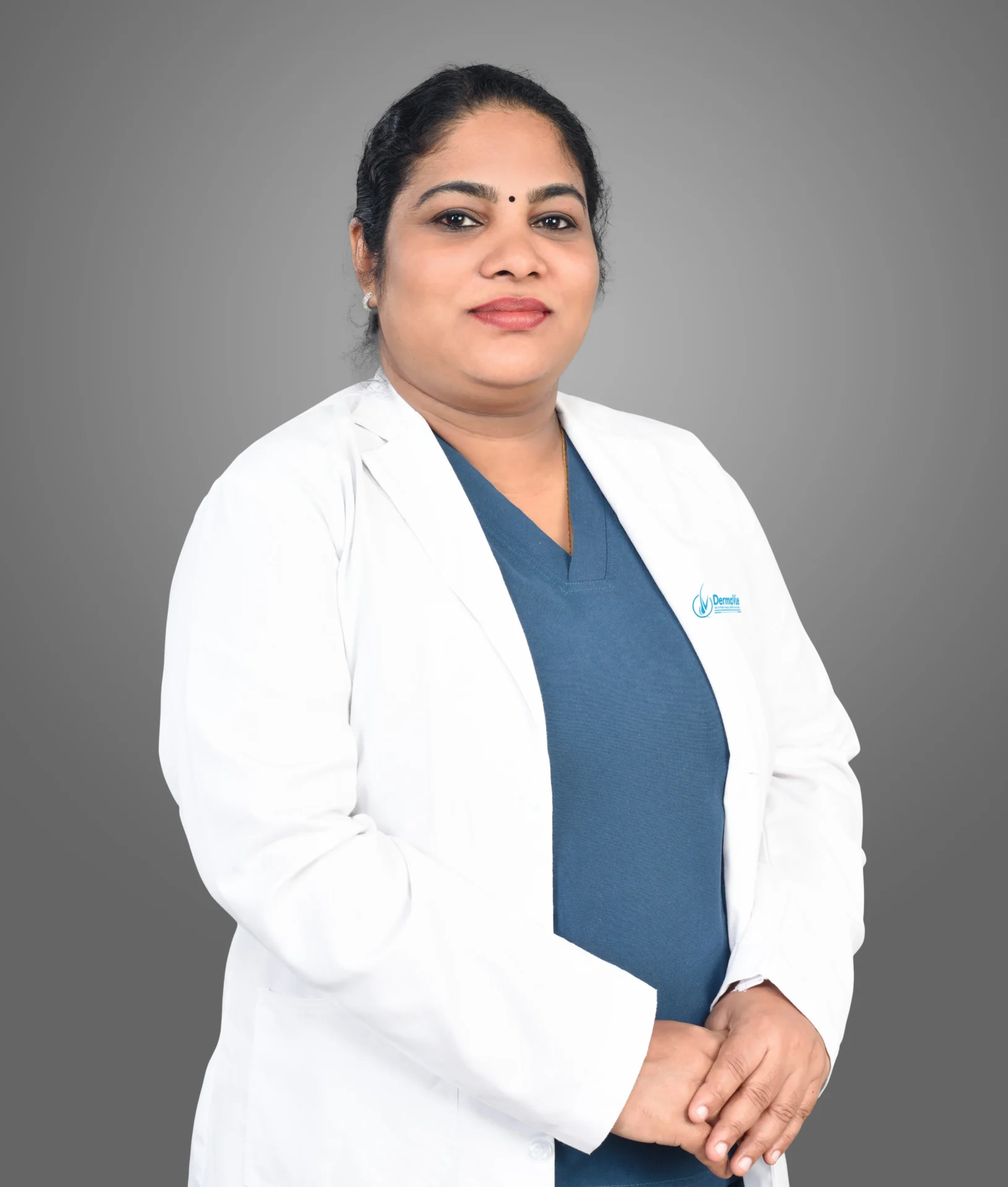
  5. Dr. Johna PS, MDS, FUE Trained, Hair Transplant Surgeon at DermaVue Kochi
    05

    Dr. Johna PS, MDS, FUE Trained

    Hair Transplant Surgeon

    FUE Hair Transplant, Beard & Eyebrow Restoration

    • APSI
    • 100+ procedures

Direct line to the team WhatsApp +91 90720 07733 →

§ 11 · Frequently asked

The questions every fungal-infection patient asks. Honestly answered.

Why do my fungal infections keep coming back?

Chronic recurrent dermatophytosis in India is most often due to terbinafine-resistant Trichophyton indotineae, a newly-recognised drug-resistant dermatophyte species that originated in India in the mid-2010s and is now the dominant cause of chronic recalcitrant cases in Indian practice. Resistance is driven by SQLE gene point mutations. Standard empirical terbinafine 250 mg/day repeatedly fails, the protocol must be culture-guided with itraconazole or voriconazole alternatives. DermaVue Kochi performs culture + sensitivity BEFORE prescribing in any chronic/recurrent case.

What is Trichophyton indotineae?

T. indotineae is a newly-recognised dermatophyte species (genotype VIII of the T. mentagrophytes/interdigitale complex) that originated in the Indian subcontinent and has spread globally, with imported cases now reported in the UK, Ontario, Europe, and the USA. The clinical picture: extensive, inflammatory tinea corporis/cruris/faciei lesions, often steroid-misuse-modified, failing repeated terbinafine courses, recurring within weeks of apparent clearance. India is the global epicentre of this epidemic.

Why is over-the-counter steroid cream making my ringworm worse?

Topical corticosteroids (particularly clobetasol, sold OTC in India under many brand names) appear to improve fungal infections initially because they suppress the inflammatory response and reduce itching. But they suppress local immune function which allows the dermatophyte to spread silently, and on withdrawal the infection rebounds worse than before, often as 'tinea incognito' (atypical presentation). Steroid-cream discontinuation is the non-negotiable first step in any fungal infection treatment at DermaVue Kochi.

What is the difference between terbinafine and itraconazole for fungal infections?

Terbinafine 250 mg/day is the traditional first-line oral antifungal for dermatophytosis, but Indian T. indotineae shows high-level resistance to it. Itraconazole 200 mg/day is the evidence-supported alternative for resistant cases, extended to 12-24 weeks for chronic recalcitrant infections. Itraconazole requires monthly LFT monitoring (hepatotoxicity risk) and has more drug interactions than terbinafine. The choice is culture-guided at DermaVue, empirical prescription in chronic/recurrent cases wastes patient time and money.

How long does fungal infection treatment take?

Standard acute case (terbinafine-susceptible): 4-6 weeks oral + topical. Chronic recalcitrant or T. indotineae confirmed: itraconazole 200 mg/day for 8-24 weeks. Multi-azole-resistant cases: voriconazole 6-12 weeks. Recurrence prevention requires steroid-cream avoidance + household contact treatment + occlusion control (loose breathable clothing, prompt drying after bath/sweat). Re-examination + repeat KOH at 4 weeks confirms treatment response.

Should my family members get treated too?

Yes, dermatophytosis is highly transmissible through shared towels, clothing, bedding, and personal contact. Household contact screening + treatment of any affected family member is built into DermaVue's protocol. Treating only the index patient while household contacts remain infected guarantees re-infection within weeks. The standard recommendation: any household member with similar lesions or itching gets concurrent treatment + shared items (towels, bedsheets) replaced or hot-washed.

Can I prevent fungal infections in Kochi's climate?

Kochi's sustained 85-95% RH is documented as creating optimal growth conditions for dermatophytes, but climate is not modifiable. What IS modifiable: prompt drying after bath / pool / sweat-heavy exercise; loose cotton clothing (avoid synthetic occlusive fabrics in groin / underarm / foot zones); shared-item hygiene (own towels and clothing); steroid-cream avoidance; and once-infected, completing the full course of treatment plus household screening. Prevention is largely about behaviour modification, not climate avoidance.

What is the cost of fungal infection treatment in Kochi?

₹300 consultation. KOH microscopy ₹200-400. Fungal culture + sensitivity ₹800-2,500. Topical antifungal ₹400-1,200/month. Oral itraconazole ₹450-1,200/month. Voriconazole (when needed for multi-azole-resistant cases) ₹3,500-12,000 for a 2-week course. Monthly LFT during itraconazole ₹400-800. Total typical chronic-case 12-week programme: ₹6,000-15,000. Cheaper than the cumulative cost of repeated failed terbinafine courses elsewhere.

Why does DermaVue do culture testing when other clinics don't?

Because India is the global epicentre of T. indotineae terbinafine resistance, and empirical prescription without species identification leads to repeated treatment failures, patient frustration, increased resistance pressure, and household transmission. Culture-guided therapy is the evidence-supported approach (IADVL India + IJDVL position). The ₹800-2,500 culture cost is meaningfully less than the cumulative cost (in money, time, and treatment failure morbidity) of empirical cycling.

Can fungal infections cause permanent skin damage?

Untreated or repeatedly-flaring chronic dermatophytosis can cause post-inflammatory hyperpigmentation (PIH, particularly visible in Fitzpatrick IV-VI skin), lichenification (thickened leathery skin from chronic scratching), nail dystrophy (if onychomycosis), and rarely secondary bacterial infection. Most damage is reversible with proper culture-guided treatment + PIH-fading topicals (azelaic acid 15-20%) post-clearance. Permanent scarring is uncommon unless complicated by deep abscess formation.

§ 12b · Read deeper

Fungal looks like several other things, and several other things look like fungal.

Tinea corporis, candidal intertrigo, and flexural psoriasis present similarly in the tropics. Pityriasis versicolor and seborrhoeic dermatitis share the scalp / chest real estate. The hubs below clarify each pathology and the laboratory test that distinguishes it.

§ 13 · Find us

15 min from Lulu Mall. 100 m from Pulinchodu Metro.

Address
Metro Rail Pillar No. 57, Tamarind Rajadhani Building, Near Pulinchodu, NH-47, Aluva, Kerala 683101
Hours
Mon–Sat 9 AM–6:30 PM · Sun 11 AM–5 PM
KochiErnakulamAluvaEdappallyKakkanadKaloorKalamasseryThrikkakara
§ 15 · Start today

Book the KOH microscopy + culture + speciation visit.
The drug choice follows the organism, never the rash pattern alone.

₹300 consultation · same-day slots available · Aluva clinic open Mon–Sat 9 AM – 7 PM, Sun 10 AM – 6 PM.

WhatsApp us instead
Call